When procurement teams evaluate flexible packaging suppliers, the conversation often starts with price. That is understandable. Cost per unit is a measurable, comparable number that fits neatly into a sourcing decision framework. But experienced procurement managers know that price at the point of purchase is rarely the whole story. Where your packaging is manufactured, and how that decision ripples through your supply chain, often determines the real cost of the relationship.
Domestic flexible packaging manufacturing is one of those decisions that looks fundamentally different depending on whether you are evaluating it as a line item or as a supply chain strategy. When you step back from the unit cost comparison and consider the full picture, including lead times, quality oversight, supply chain resilience, volume flexibility, and the nature of the supplier relationship itself, the calculus often shifts in ways that matter to a procurement team’s long-term performance.
Lead Times Are a Competitive Advantage
When flexible packaging is produced overseas, lead times are measured in weeks or months. That timeline demands a level of forecasting precision that is difficult to sustain, particularly for brands managing multiple SKUs, seasonal demand, or promotional runs. A missed forecast does not just create an inventory problem. It can delay a product launch, create a retail out-of-stock situation, or force a brand into an expensive emergency sourcing decision that costs far more than any per-unit savings achieved through overseas production.
Domestic manufacturing compresses that timeline significantly. When your packaging supplier is operating in the same country, on the same time zone, and subject to the same business calendar as your team, the supply chain becomes considerably more responsive. Adjustments to artwork, film structure, or order volume can be accommodated without the lag that comes with international production and ocean freight. For brands operating in fast-moving consumer categories where speed to shelf is a genuine competitive factor, that responsiveness is not a convenience. It is a strategic asset.
Lead time reliability also has a compounding effect on inventory management. When procurement teams can depend on consistent, predictable production and delivery windows, they carry less safety stock, free up working capital, and reduce the warehouse space dedicated to packaging buffer inventory. The financial benefit of that efficiency rarely shows up in a unit cost comparison but is real and measurable at the operational level.
Quality Oversight Does Not Have to Be an Ocean Away
One of the less-discussed advantages of domestic manufacturing is the practical ability to maintain quality oversight throughout the production process. With an overseas supplier, quality issues are often discovered after the fact, when a shipment arrives and an inspection reveals a problem that is now both difficult and expensive to resolve. By that point, production schedules have been disrupted, inventory positions have been compromised, and the options available to the procurement team are limited.
A domestic manufacturing partner allows for a fundamentally more collaborative quality relationship. Site visits are practical rather than logistically complex. Communication happens in real time, without the friction of time zone differences or language barriers. When a question arises about a film structure, a print specification, a seal integrity requirement, or a regulatory compliance detail, the answer does not have to wait for a business day on the other side of the world to begin.
For industries where packaging compliance is not optional, the value of that proximity becomes even more pronounced. Food and beverage brands operating under SQF certification requirements, for example, need a packaging partner whose quality systems are transparent, auditable, and aligned with domestic food safety standards. Health and beauty brands managing label compliance across multiple SKUs benefit from a supplier relationship where specification changes can be reviewed, approved, and implemented quickly. In regulated categories, the ability to resolve a quality or compliance question in a single business day rather than across a multi-day international communication cycle is not a minor operational detail. It is a meaningful risk management advantage.
Supply Chain Reliability Is Not a Given
The past several years have reminded procurement professionals at every level that global supply chains are more fragile than they appear during normal operating conditions. Port congestion, shipping container shortages, raw material disruptions, and geopolitical uncertainty have all demonstrated the risk concentration that comes with sourcing packaging from a single overseas region. What appeared to be a stable, low-cost sourcing arrangement revealed itself to be a vulnerability when conditions outside anyone’s control changed without warning.
Domestic manufacturing does not eliminate supply chain risk, but it does reduce exposure to a category of disruption that is entirely outside a procurement team’s control. A supplier whose production facility is in the United States, sourcing materials through domestic channels and shipping finished goods over domestic freight networks, is not subject to the same vulnerabilities as one whose output depends on international logistics operating without interruption across thousands of miles.
For brands that learned difficult lessons about supply chain concentration during periods of global disruption, domestic manufacturing represents a practical form of risk diversification. It is not a guarantee of perfect continuity, but it replaces a set of risks that are largely unmanageable with ones that are at least visible, local, and addressable through a direct supplier relationship.
Flexibility on Volume Is Part of the Value
One dimension of domestic manufacturing that is often underappreciated is the ability to run flexible order volumes without the penalties that typically accompany overseas production. Overseas suppliers generally require larger minimum order quantities to justify the production and shipping economics involved. That model works reasonably well for high-volume, stable SKUs with predictable demand. It creates real friction everywhere else.
Brands launching new products, testing new packaging formats, or managing seasonal and limited-run programs routinely find that overseas minimum order requirements force them into inventory positions that do not reflect actual demand. The result is either excess packaging inventory that ties up capital and warehouse space, or a reluctance to explore new formats and SKUs because the volume commitment required to do so is prohibitive.
A domestic manufacturer with flexible minimum order quantities can support an emerging brand’s first production run at a realistic volume and scale with that brand as demand grows. For established brands, the same flexibility supports promotional and seasonal packaging initiatives without the inventory exposure that comes with large overseas minimums. The ability to right-size an order to actual need, rather than to a supplier’s production economics, is a procurement advantage that compounds over time across a full packaging portfolio.
The Relationship Factor
There is a dimension to domestic manufacturing partnerships that does not show up in a sourcing spreadsheet but that experienced procurement managers recognize quickly. A supplier whose team is genuinely accessible, whose production facility is visitable without a passport, and whose communication operates without the friction of time zones and language differences tends to function as a true partner rather than a transactional vendor.
Problems get solved faster because the conversation that surfaces them can happen immediately rather than asynchronously across a multi-day communication cycle. New product development moves more efficiently because the supplier’s technical team can engage directly and iteratively with the brand’s packaging and operations staff. Artwork revisions, structural modifications, and specification changes that might take weeks to work through with an overseas supplier can often be resolved in days with a domestic partner whose team is available, responsive, and invested in the outcome.
The institutional knowledge that develops between a brand and its packaging supplier over time also has real commercial value. A supplier that understands your products, your production environment, your quality standards, and your business rhythms is one that can anticipate problems before they surface and bring relevant ideas and capabilities to the table proactively. That kind of relationship develops more naturally and more quickly when it is not mediated by distance, and it represents a form of competitive advantage that is difficult to quantify but easy to recognize in the day-to-day experience of managing a packaging supply chain.
Making the Evaluation
None of this is to suggest that domestic manufacturing is always the right answer for every brand in every situation. There are product categories and volume profiles where overseas production remains a practical choice. But for brands that have experienced the cost of a supply chain disruption, the frustration of a quality issue discovered at the receiving dock, or the operational friction of managing a packaging supplier across a significant time zone gap, the value of a domestic manufacturing relationship deserves a serious look in the next supplier evaluation cycle.
The question worth asking is not simply whether a domestic supplier can match an overseas price. The more relevant question is what the total cost of the relationship looks like when lead time reliability, quality oversight, volume flexibility, and supply chain resilience are all factored into the analysis alongside unit cost.
Interstate Packaging: Domestic Manufacturing Built for the Long Term
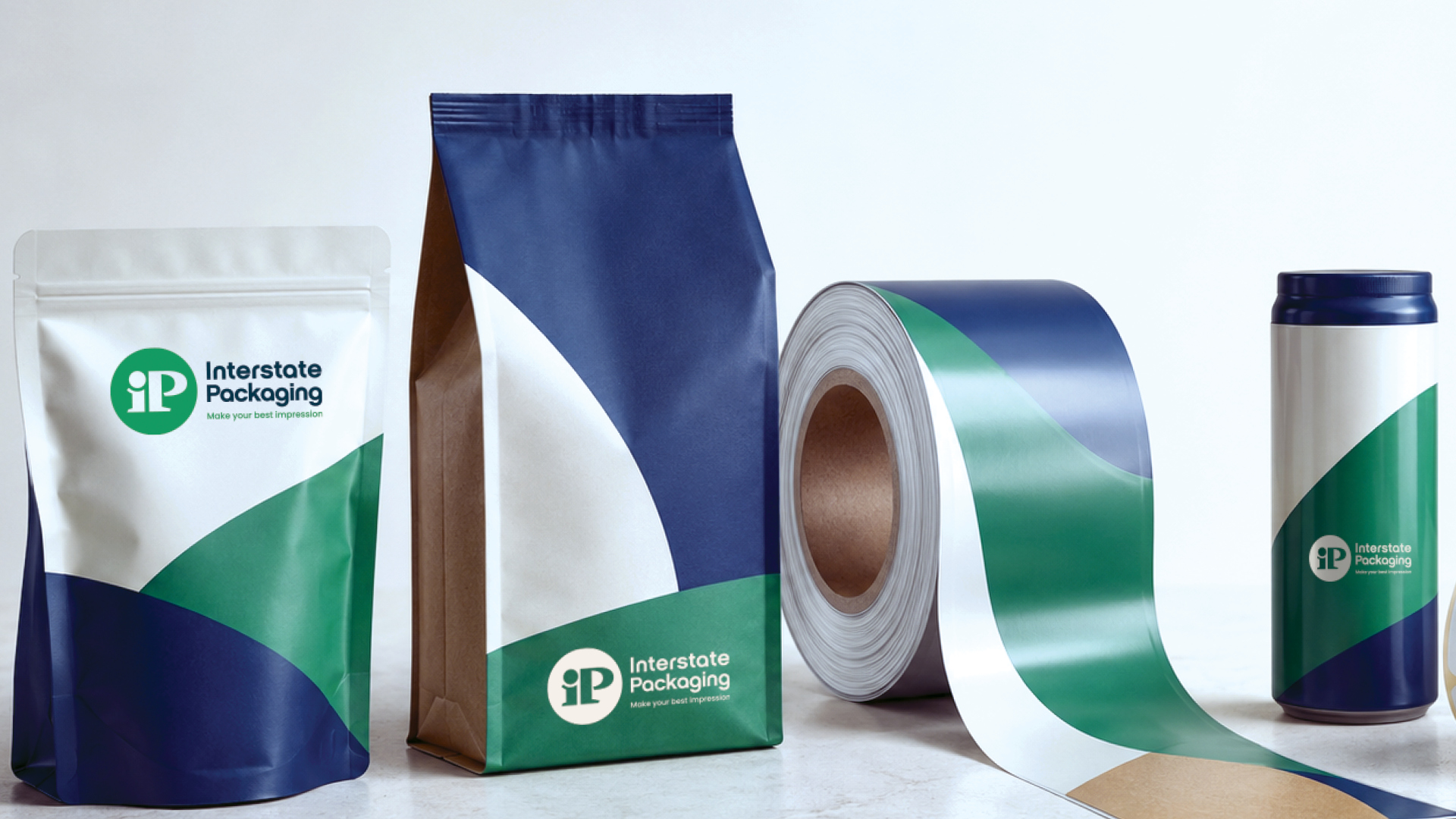
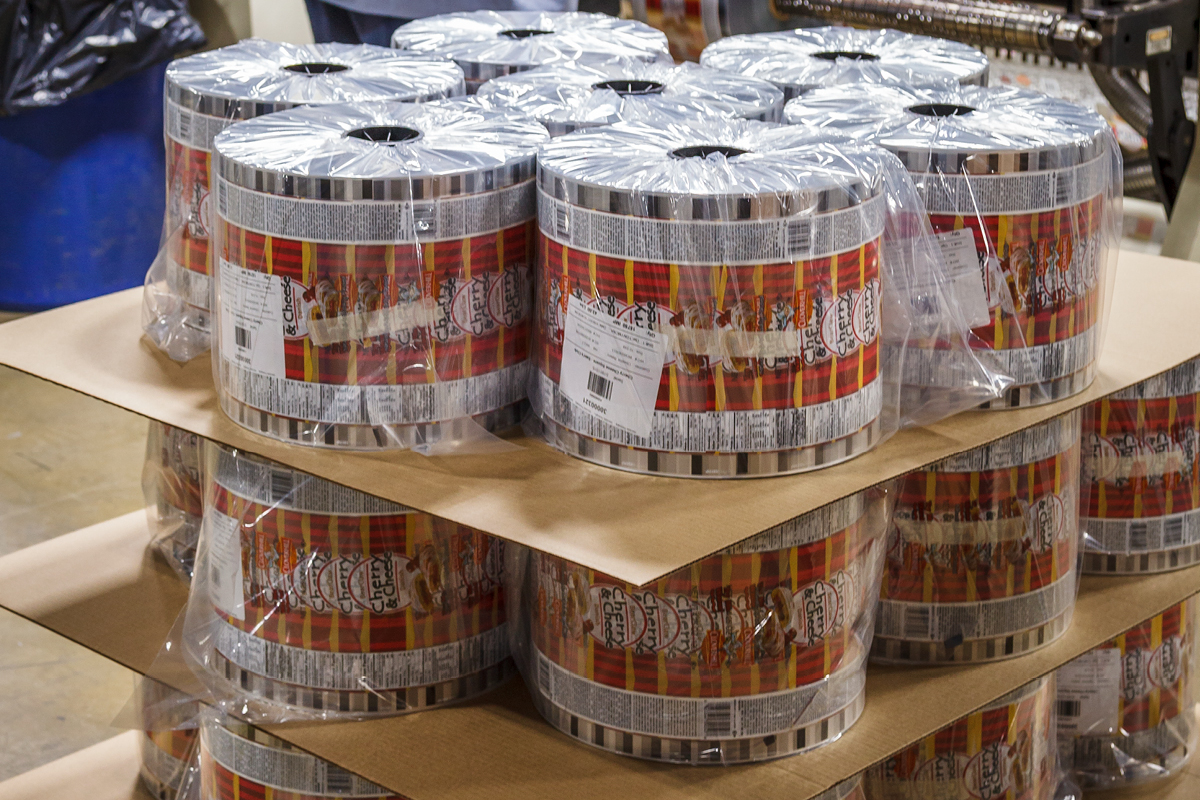
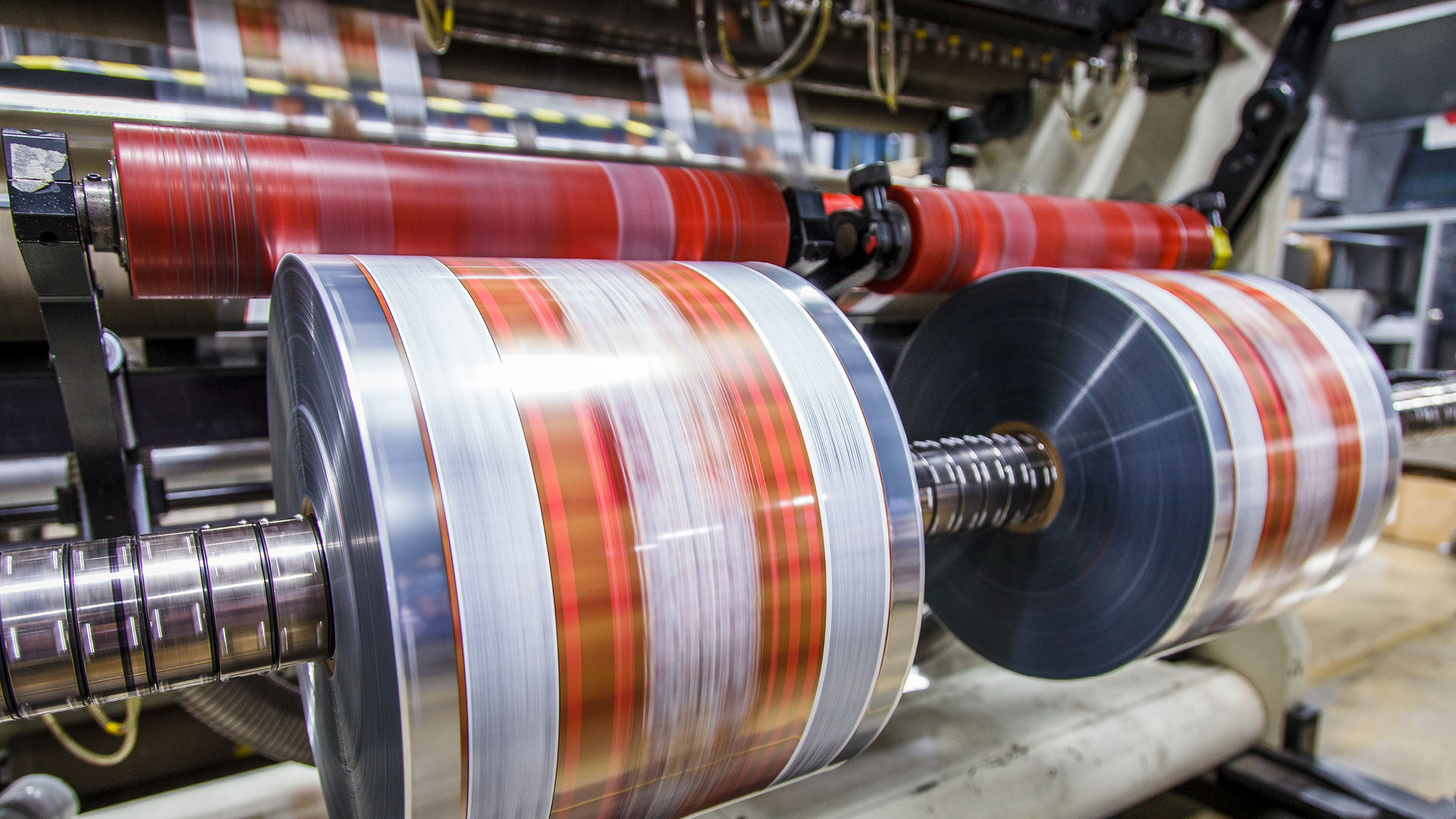
Interstate Packaging has operated its production facility in White Bluff, Tennessee for more than 50 years. Every flexible packaging format we produce, from stand-up pouches and box bottom pouches to rollstock, shrink sleeves, and pressure-sensitive labels, is manufactured domestically with in-house flexographic and digital printing and a team built around long-term customer relationships.
We hold SQF certification through Mérieux NutriSciences and are a certified Women’s Business Enterprise through WBENC. We serve brands in food and beverage, health and beauty, pet products, and tobacco, and we work with both emerging brands and established industry leaders across all of those categories.
If domestic manufacturing is a priority in your next supplier evaluation, we would welcome the conversation.
To provide the best experience, we use cookies and similar tracking technologies to enhance the website experience and analyze performance and traffic on our website. Some cookies are essential to make our website work; others help us improve the user experience. Select "Accept All Cookies" to allow all uses of these cookies, "Reject Non-Essential Cookies" to limit cookies that are not required, and "Customize" for more options. You can update your cookie preferences at any time. Read our Cookie Policy and Privacy Policy to learn more.