If you’re a packaging engineer, procurement manager, or supply chain lead evaluating rollstock packaging, you’ve probably already read the basics. You know what rollstock is. What you’re actually trying to figure out is which material structure is right for your product, which format makes sense for your line, and how to vet a supplier who won’t let you down six months in.
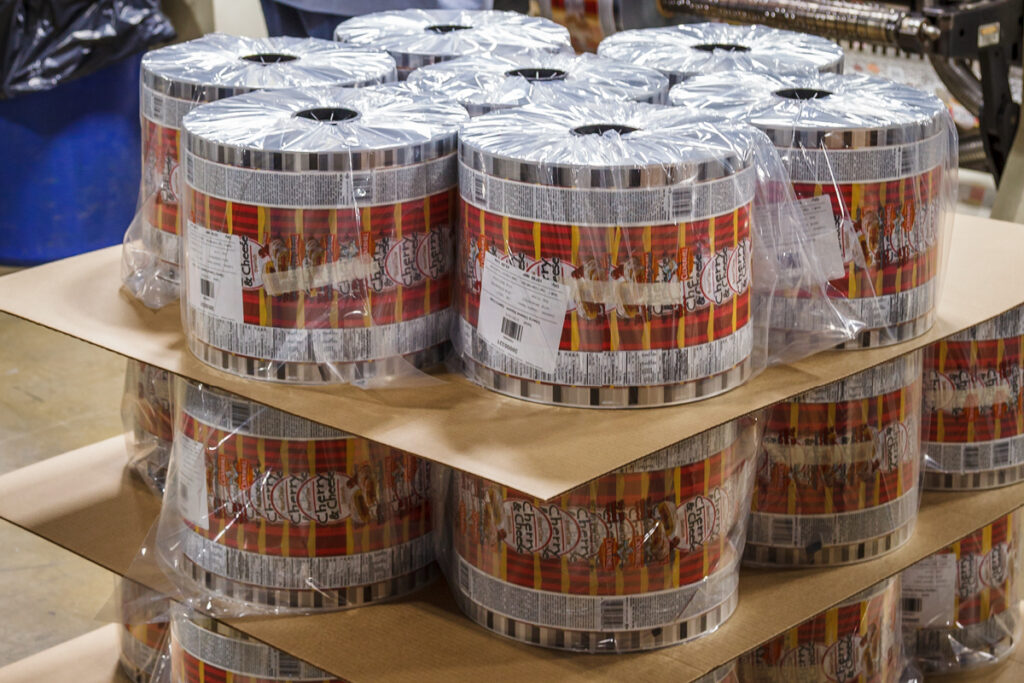
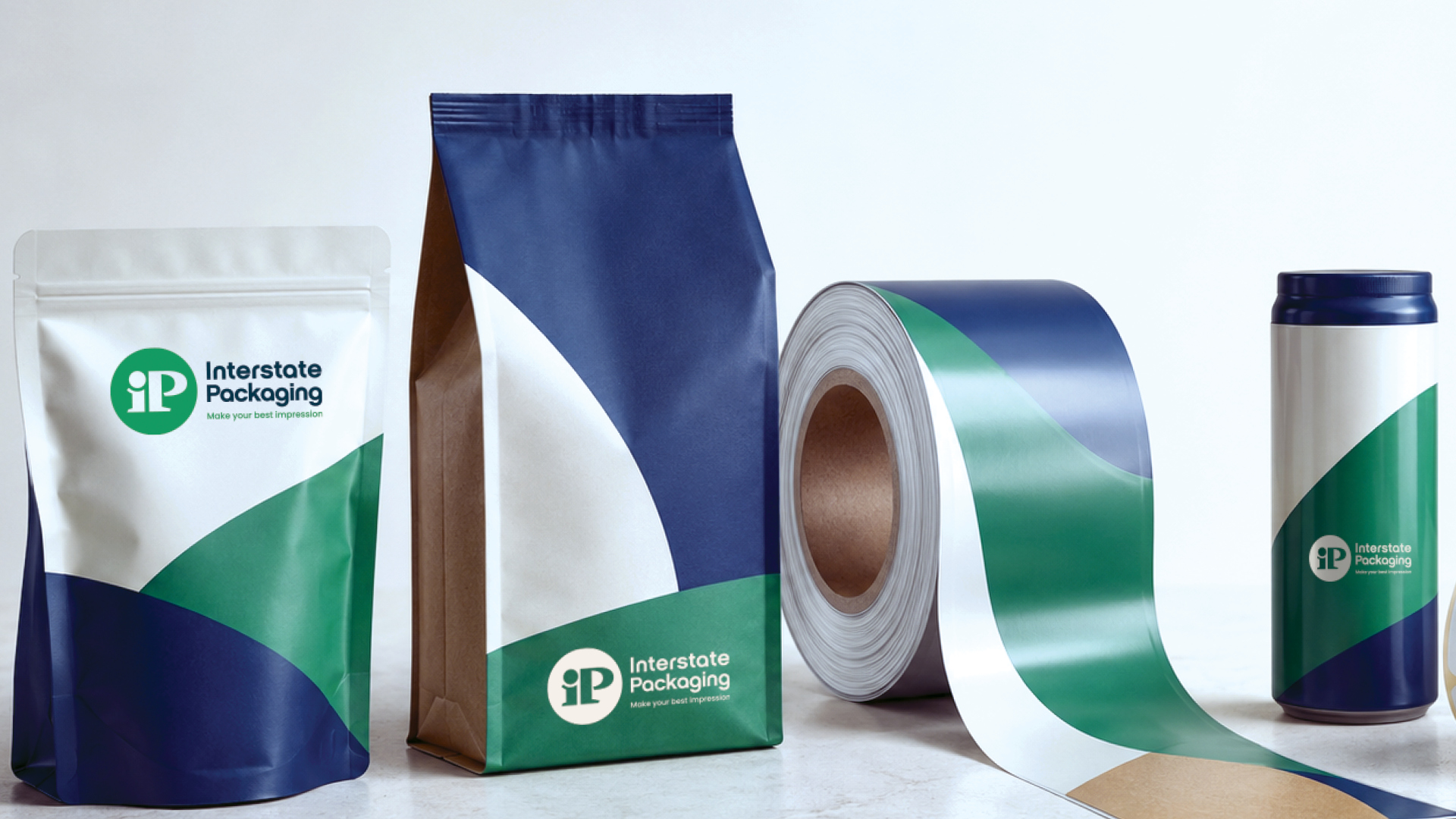
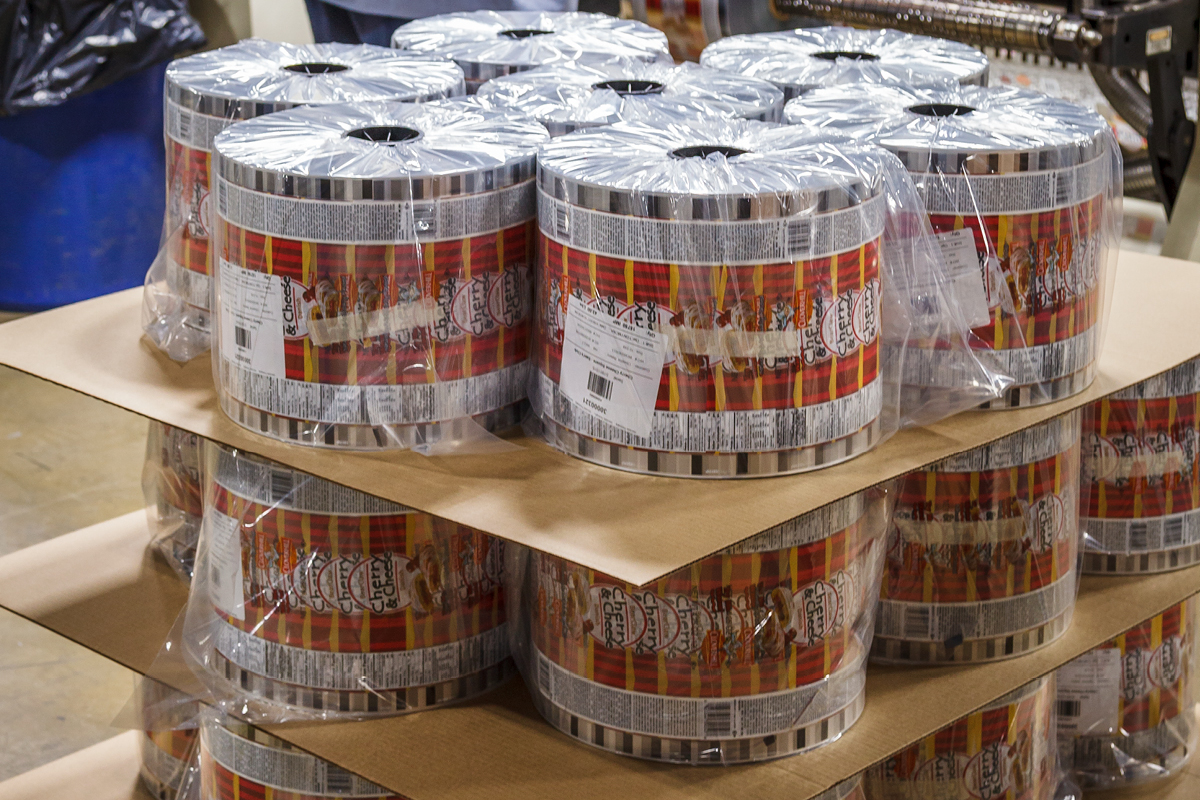
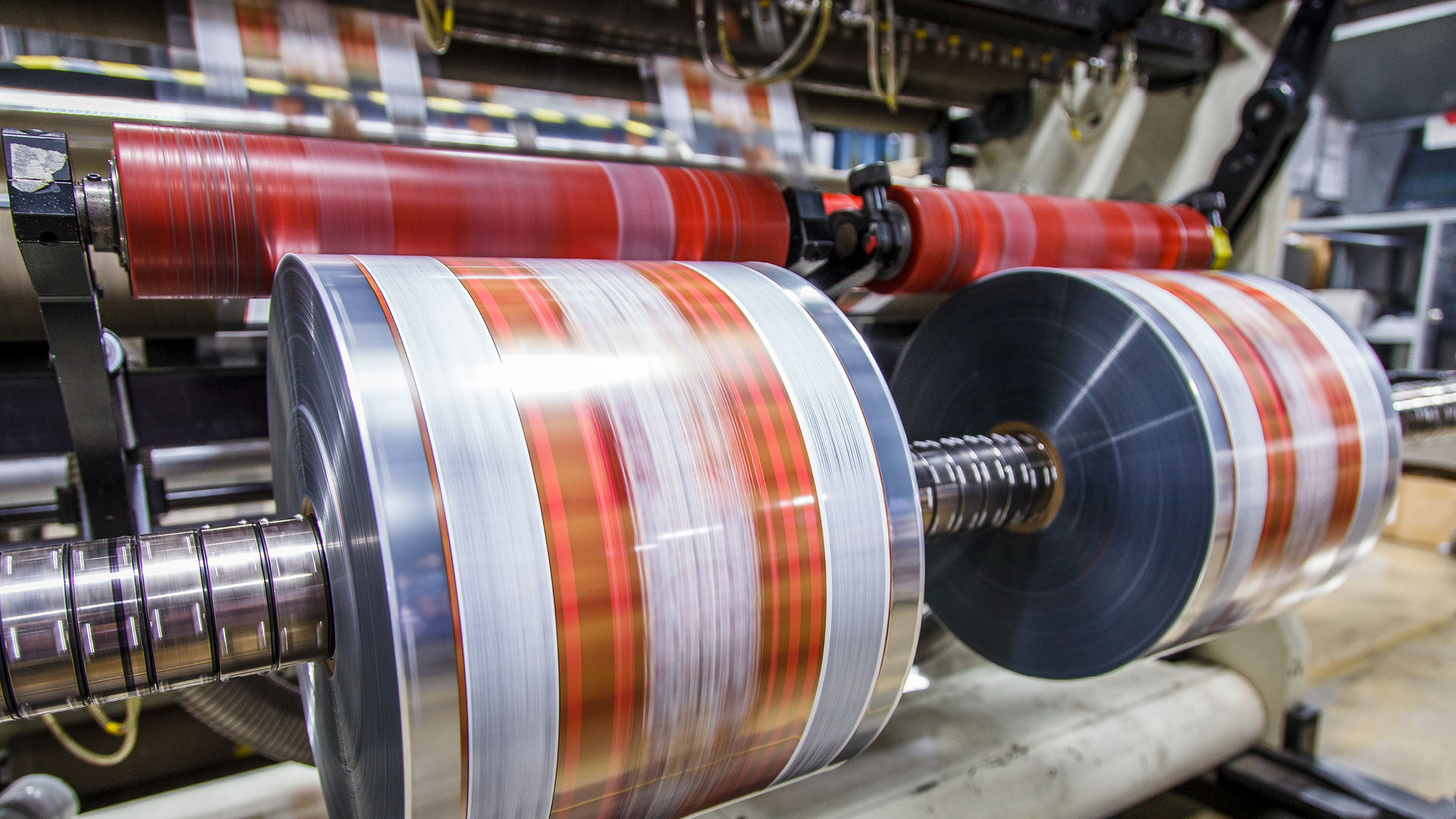
Rollstock is flexible packaging substrate – film, foil, laminate, or a combination – wound on a spool and converted into finished packages through a form-fill-seal (FFS) process. If you want the full foundational breakdown, our rollstock overview has you covered. Here, we’re going deeper on materials and supplier selection.
The material structure of your rollstock determines almost everything that matters in the field, including shelf life, barrier performance, printability, seal strength, sustainability profile, and cost. Choosing the wrong structure is one of the most expensive mistakes a brand can make, and it usually doesn’t show up until after the first production run.
Here’s how to think through the main categories:
Laminates bond two or more films or foil layers together to combine the properties of each. A common structure for food packaging might be PET (for stiffness and printability) / adhesive / PE (for heat-seal and moisture barrier). More complex structures add aluminum foil for oxygen and light barrier, or nylon for puncture resistance.
The combination you need is determined by your product’s specific sensitivities. Oxygen-sensitive products like coffee, jerky, and protein powder typically require a higher oxygen barrier than a standard laminate provides, which brings in foil or high-barrier film layers.
This is where working with a supplier who actually understands your product matters. A supplier who asks detailed questions about your product’s water activity, oxygen sensitivity, and target shelf life before recommending a structure is a different kind of partner than one who sends you a standard spec sheet.
For products that require maximum protection, such as coffee, pharmaceutical packaging, pet food with high fat content, certain nutraceuticals, high-barrier films using EVOH (ethylene vinyl alcohol) or metallized layers provide oxygen transmission rates well below what standard laminates achieve.
High-barrier structures cost more. They’re worth it when your product genuinely needs them, and a waste of money when it doesn’t. A good supplier will help you determine which category you’re in.
This is the fastest-evolving area of rollstock materials, and the one with the most misinformation in the market. Terms like “eco-friendly,” “sustainable,” and “recyclable” are used loosely, and the reality depends heavily on the specific material, the local recycling infrastructure, and whether the package can actually be processed in a real-world stream.
The most promising developments are in mono-material structures such as all-PE or all-PP laminates that maintain reasonable barrier performance while being theoretically recyclable through store drop-off programs. These have improved significantly and are now viable for a growing range of food products.
If sustainability is a priority for your brand, ask any supplier to be specific: recyclable in which programs? Certified by whom? What’s the actual carbon impact compared to your current structure? Vague answers are a red flag.
Rollstock isn’t one format; it’s the raw material for many formats, depending on how your FFS equipment is configured.
Vertical form-fill-seal (VFFS) is the most common configuration for food products: coffee, snacks, frozen vegetables, pet treats, and powders. Product falls vertically into the formed pouch. Output speeds are high, making VFFS the standard for volume-sensitive food operations.
Horizontal form-fill-seal (HFFS) wraps product horizontally like in bars, individual portions, medical devices, flat products. HFFS is common in confectionery, protein bars, and medical packaging.
Pre-made pouch vs. rollstock is a question that comes up often. Pre-made pouches (also called pre-formed pouches) are finished package structures that your filler receives ready to open and fill. Rollstock requires an FFS machine to create the pouch on-line. The tradeoff: rollstock has lower per-unit material cost and more format flexibility at scale; pre-made pouches require less capital equipment and are more accessible for smaller operations or complex formats.
Stand-up pouches from rollstock are achievable on certain VFFS machines with the right tooling. Spouted pouches and zipper applications are also possible from rollstock depending on machine configuration. If your target format is something other than a standard pillow pouch, confirm early that your co-packer’s equipment can handle it.
The difference between a commodity supplier and a packaging partner shows up in how they respond to these questions.
Suppliers who print, laminate, and produce rollstock in-house have shorter lead times, tighter quality control, and clearer accountability. Suppliers who source components externally introduce more variables. Understand exactly where each step of your rollstock production happens before you commit.
New job lead time gets quoted upfront. Reorder lead time is what actually affects your supply chain. If your supplier’s reorder window is 6-8 weeks and your inventory buffer is 4 weeks, you’re going to have a problem eventually. Push for specifics.
Artwork updates, regulatory copy changes, and material substitutions happen. A supplier who has a clear, documented process for managing these without disrupting your production schedule is a better long-term partner than one who handles it ad hoc
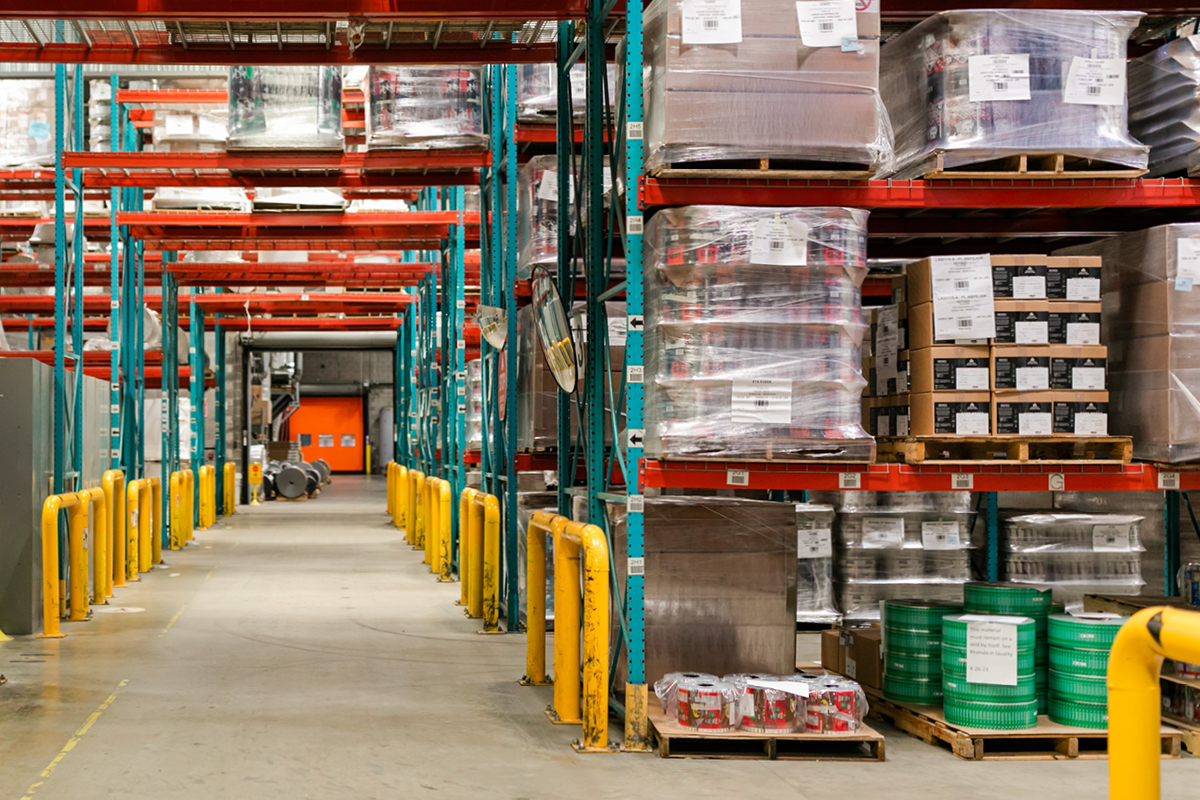
U.S.-based production matters more than it used to. Tariff exposure on imported packaging materials has increased significantly, and supply chain disruption risk from overseas manufacturing is real. Domestic production like Interstate’s operations in White Bluff, Tennessee, provides lead time stability and insulation from import disruption that offshore sourcing can’t match
A supplier with genuine experience in your category will have examples. If they’re vague or pivot to generic capability statements, that’s worth noting.
Rollstock quality issues, whether in print registration, laminate adhesion, or seal performance, compound fast on an FFS line. Ask specifically how quality is monitored during production and what the escalation process looks like if something is caught mid-run.
Here’s something that doesn’t get said enough in rollstock purchasing: the supplier relationship is part of the specification. A technically correct material structure from a supplier with poor communication, inconsistent lead times, or no understanding of your production environment is worth less than a slightly less optimized structure from a partner who is deeply embedded in your operation.
The rollstock suppliers who add the most value aren’t just selling substrate. They’re helping you troubleshoot seal issues, advising on material substitutions when a component is on allocation, and flagging changes in material availability before it becomes your problem.
That’s the kind of relationship that makes a supply chain resilient, which, in the current environment, is as valuable as any spec.
If you’re evaluating rollstock for a new product, switching suppliers, or trying to solve a specific performance issue with your current packaging, we’d welcome the conversation.
Tell us about your product, your current format, and what’s not working, and we’ll tell you what we’d do differently. Start the conversation.
To provide the best experience, we use cookies and similar tracking technologies to enhance the website experience and analyze performance and traffic on our website. Some cookies are essential to make our website work; others help us improve the user experience. Select "Accept All Cookies" to allow all uses of these cookies, "Reject Non-Essential Cookies" to limit cookies that are not required, and "Customize" for more options. You can update your cookie preferences at any time. Read our Cookie Policy and Privacy Policy to learn more.