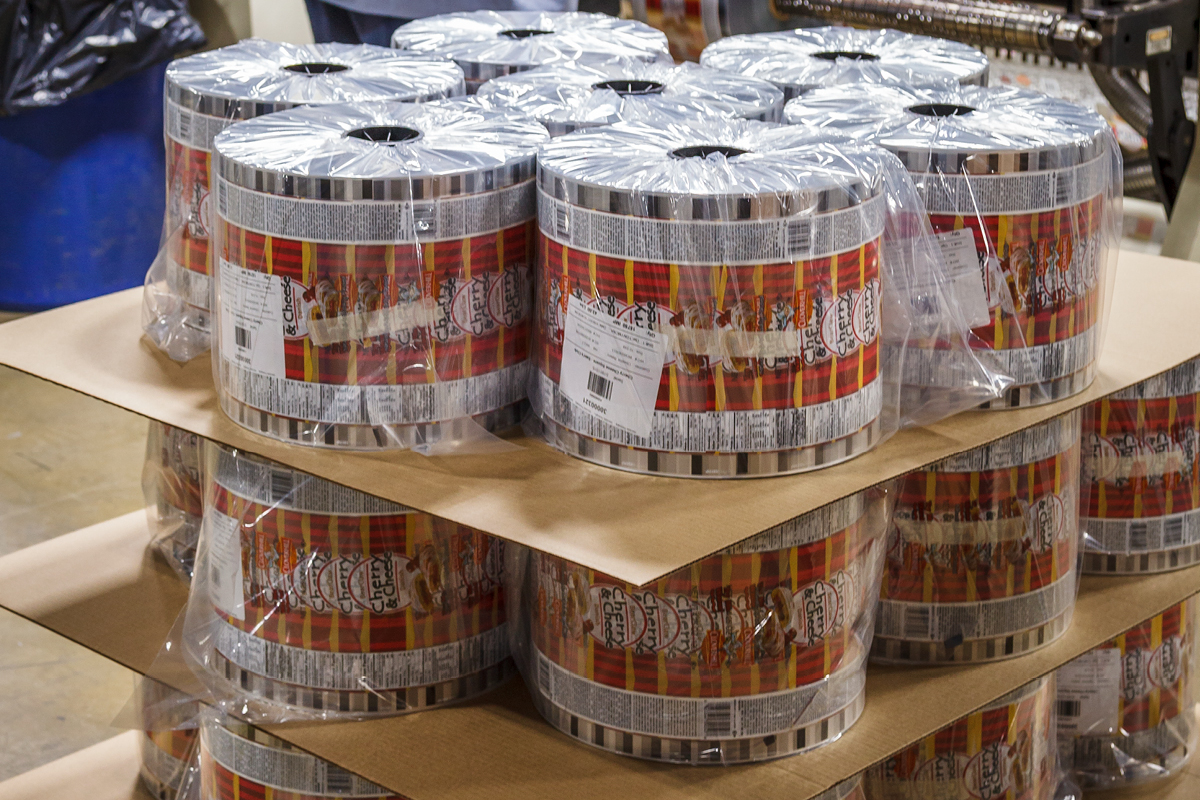
Most brand owners think about labels once. They pick a look, choose a printer, and move on to what feels like the real work of building the product. Then a production run gets delayed, a color comes back wrong, or a label starts lifting off packaging six weeks after launch, and suddenly the decision they made in five minutes becomes the thing eating their week.
Here are the label decisions that tend to cause the most trouble, and the ones worth slowing down for before a run ever hits the press.
Choosing a print method on price alone
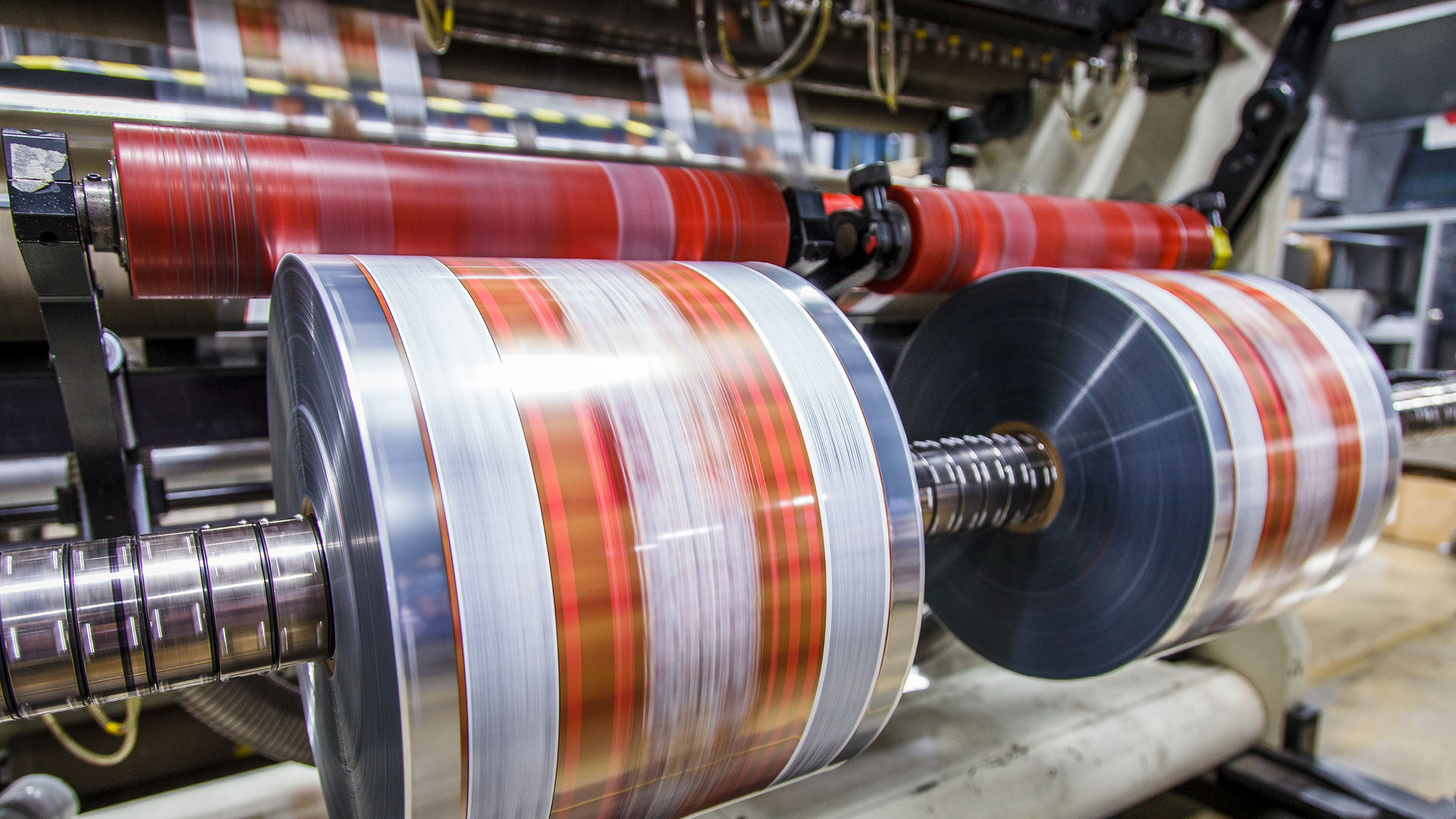
Flexographic and digital printing solve different problems. Flexo makes sense for high volume runs where the per unit cost needs to come down and the design is locked. Digital makes sense for shorter runs, frequent SKU variations, or brands still testing which version of a label performs best with customers. Brand owners who choose based on the lower quote per unit, without asking which method actually fits their run size and update frequency, often end up paying for a second setup a few months later when their needs change.
Underestimating the application environment
A label that looks perfect in a design proof can fail in the real world if nobody accounts for where it actually lives. Cold storage, high humidity, oily surfaces, and curved containers all put different demands on adhesive and material. A label spec that works beautifully on a flat, room temperature surface can lift, wrinkle, or fade within days once it meets a refrigerated shelf or a bottle that gets handled constantly. This is a conversation worth having before the first proof, not after the first customer complaint.
Skipping line speed testing
A label that applies cleanly by hand rarely tells you anything about how it will behave on a production line running at full speed. Registration, adhesive tack, and material stiffness all behave differently under automated application. Brand owners who skip this step often discover the mismatch only after a run is already scheduled, which turns a five minute test into a delayed launch.
Treating labels and pouches as separate problems
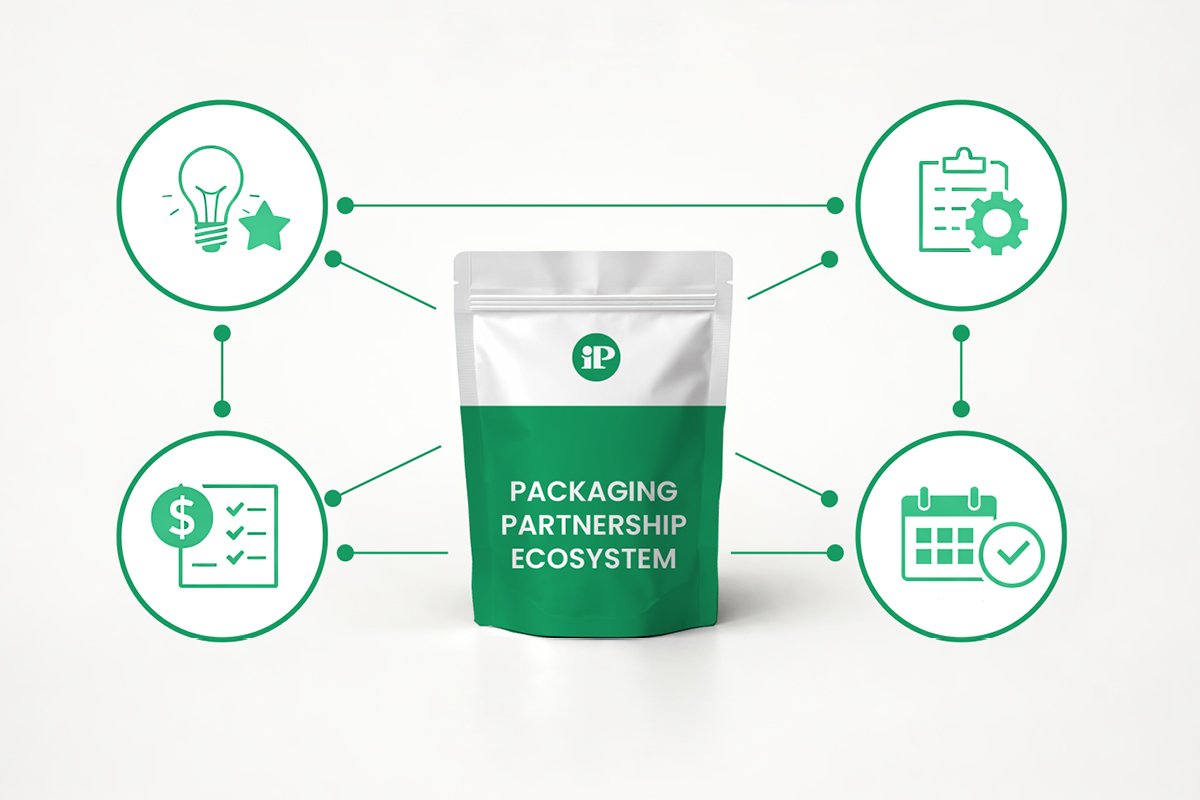
Many brands source their labels from one vendor and their pouches or rollstock from another, treating them as unrelated purchases. In practice, they are part of the same production timeline. When a label supplier and a packaging supplier are not coordinating on lead times, color matching, or material behavior, the brand is the one absorbing the risk of delays and mismatches. It rarely shows up as a problem until a launch date is close and one vendor is waiting on the other.
Not planning for scale from the start
A label spec built for a small test batch does not always translate cleanly to a full production run. Die costs, minimum order quantities, and material availability can shift once volume increases, and brands that do not ask about this early sometimes find themselves redesigning a label they thought was finished, right as demand is building.
None of these mistakes are hard to avoid. They just require asking the right questions before the first run, not after the first problem. A packaging partner who has seen these issues before can walk through them upfront, which is a lot cheaper than fixing them mid launch.
If you are working through label decisions for an upcoming product, we can talk through material, adhesive, and print method options based on your specific application. Reach out to start a conversation.