Flexible packaging has become one of the most versatile and widely adopted solutions across industries ranging from food and beverage to pet products to health and beauty. But with so many formats available, including stand-up pouches, box bottom pouches, rollstock, shrink sleeves, and more, choosing the right one for your product is not always straightforward. The format you select affects everything from shelf presence and consumer experience to production efficiency and supply chain reliability.
This guide breaks down the most common flexible packaging formats, what each one does best, and how to match your product’s specific requirements to the right solution.
Flexible packaging refers to any package whose shape can be readily changed during filling or use. Unlike rigid containers, flexible formats conform to the product, making them lighter, more space-efficient, and in many cases more cost-effective to produce and ship. The key is understanding that not all flexible formats are created equal. Each has distinct structural characteristics that make it better suited for certain products, retail environments, and production requirements.
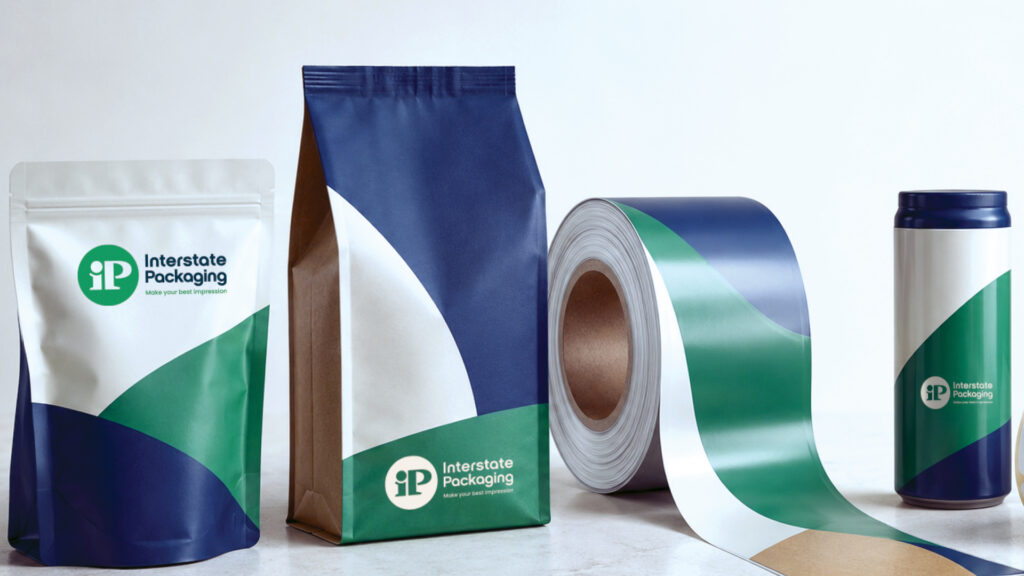
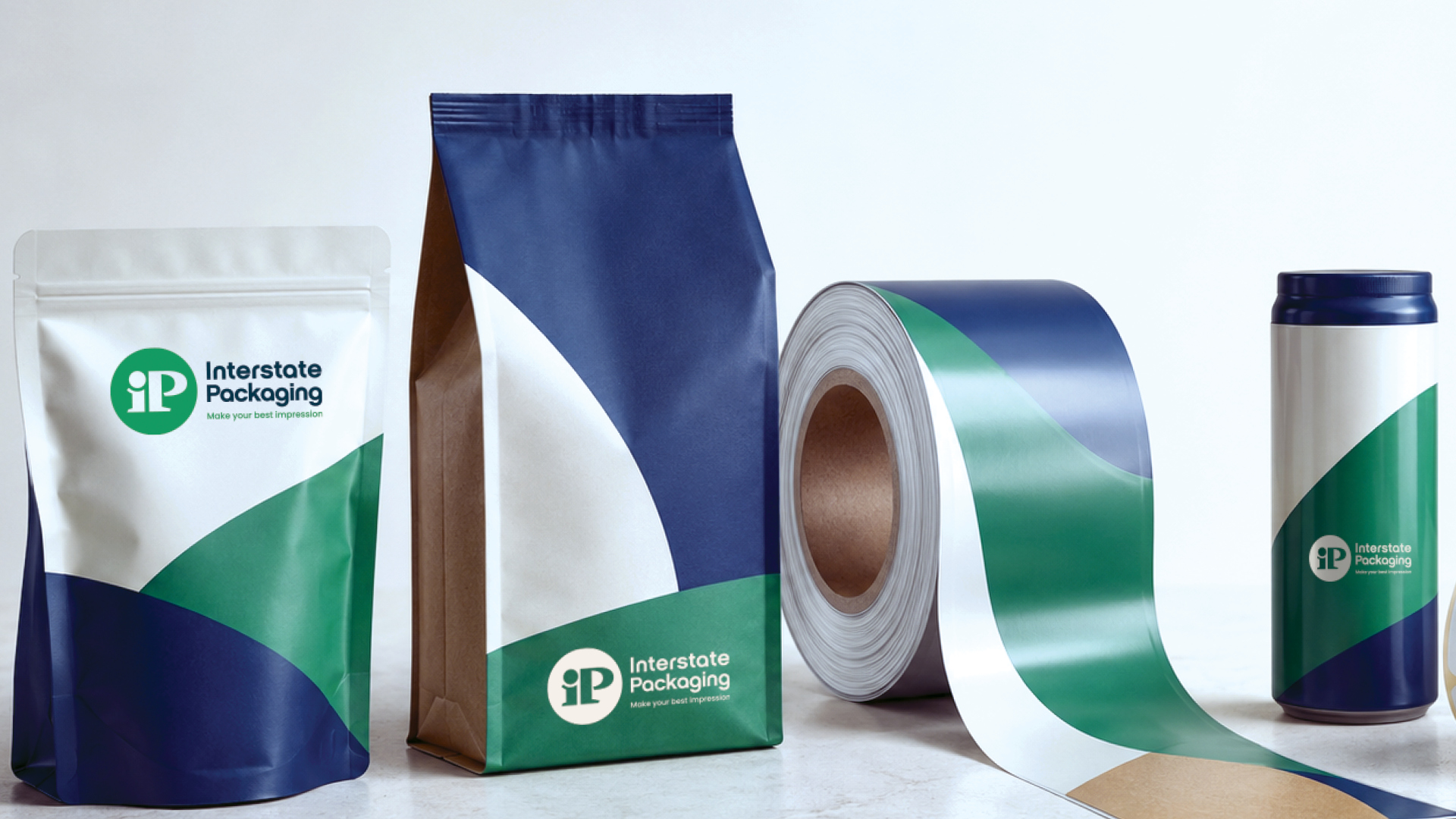
The stand-up pouch is one of the most recognizable formats in flexible packaging, and for good reason. Its bottom gusset allows it to stand independently on a retail shelf, giving brands a strong vertical billboard for graphics and branding. Stand-up pouches are available with or without resealable closures, making them a popular choice for products where freshness after opening is important.
Stand-up pouches are widely used in food and beverage for products like snacks, dry goods, sauces, and beverages. They are equally common in the pet food category, particularly for dry treats and specialty food products where shelf appeal and resealability both matter. In health and beauty, stand-up pouches serve as retail-ready packaging for powders, supplements, and personal care products.
When evaluating a stand-up pouch for your product, consider fill weight, required barrier properties, whether a zipper is needed, and how the finished package will be displayed at retail.
The box bottom pouch, sometimes called a flat bottom pouch, offers an expanded base that allows the package to stand with greater stability than a standard stand-up pouch. The structured bottom creates a more block-like silhouette that is well suited to premium retail environments and products that benefit from a more shelf-stable footprint.
Box bottom pouches have seen strong adoption in tea and specialty food, where the premium shelf presence justifies the format. They are also increasingly used in pet products, particularly for larger bag sizes where structural integrity during stacking and display is a practical concern. If your brand is positioned at the higher end of its category and shelf differentiation is a priority, the box bottom pouch deserves serious consideration.
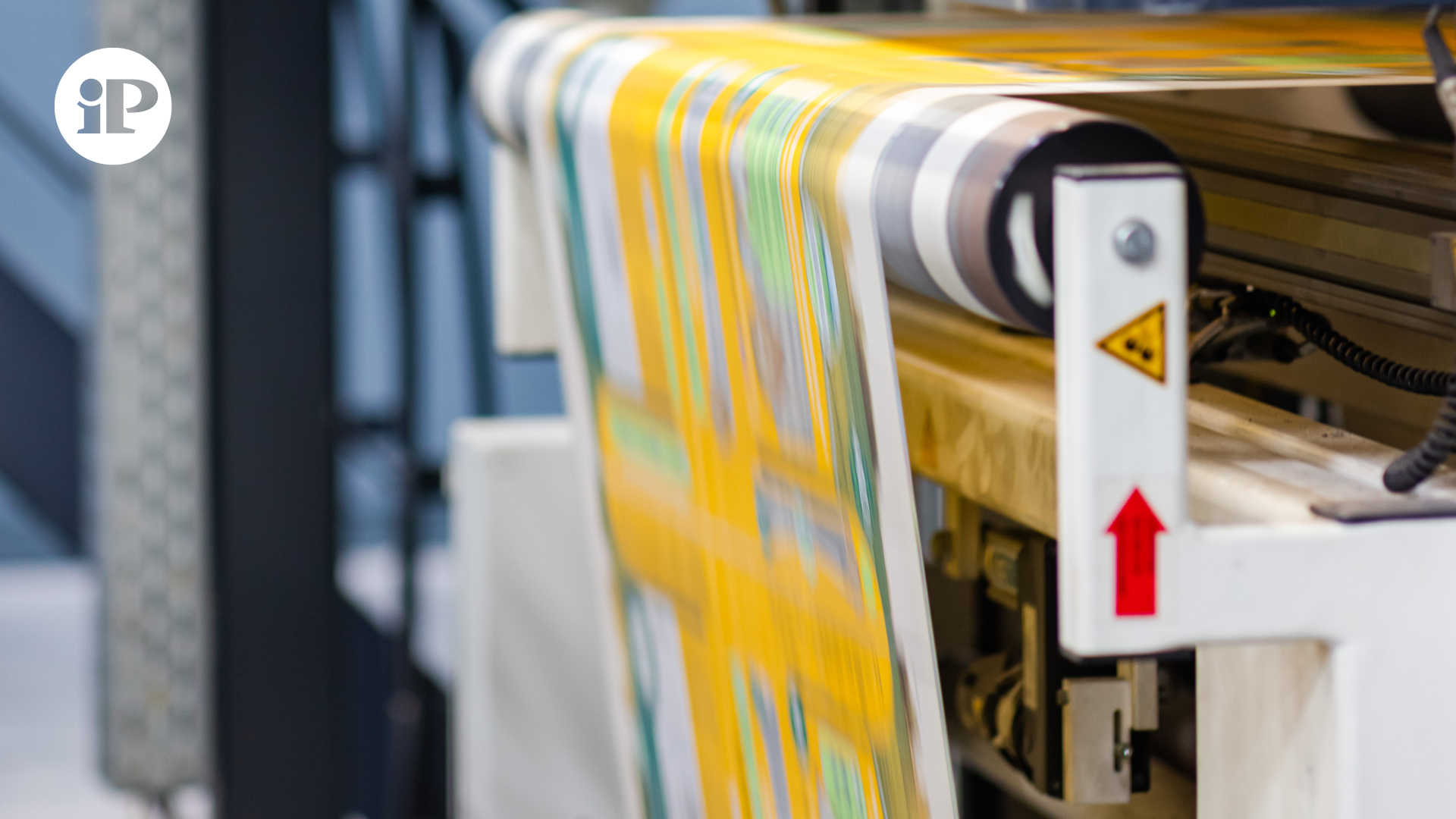
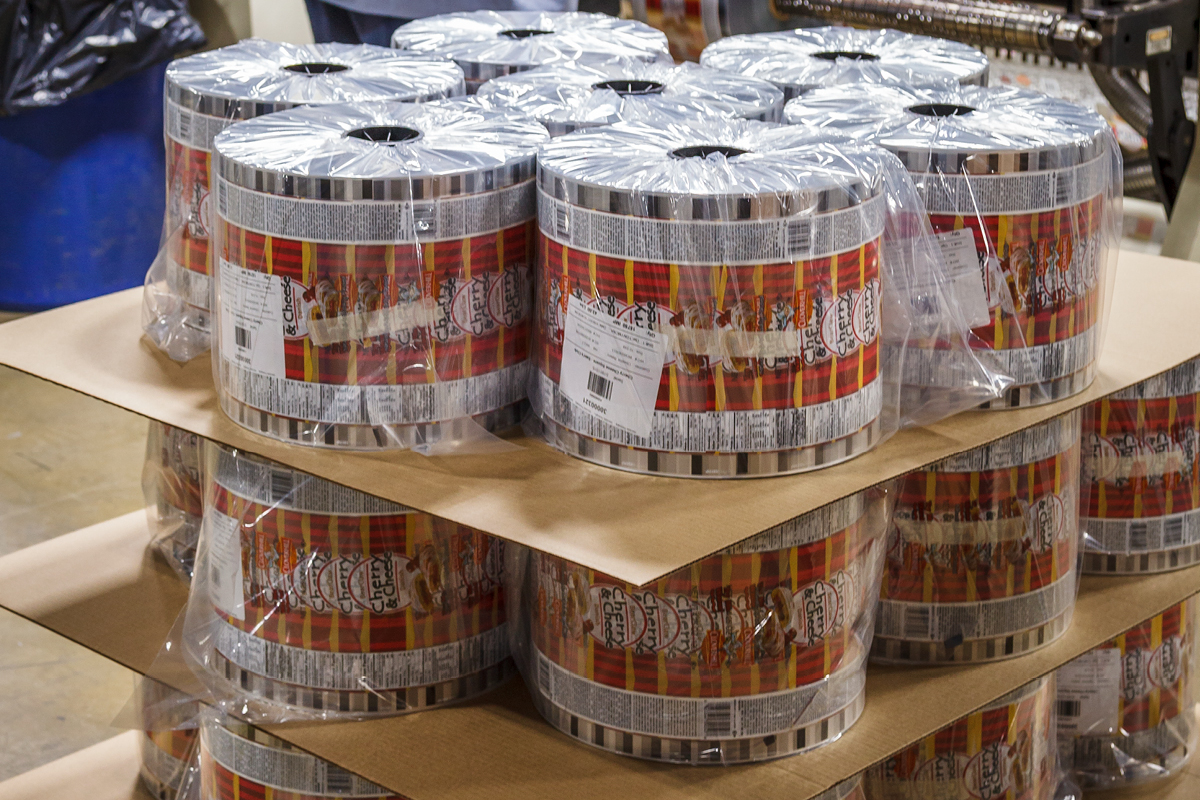
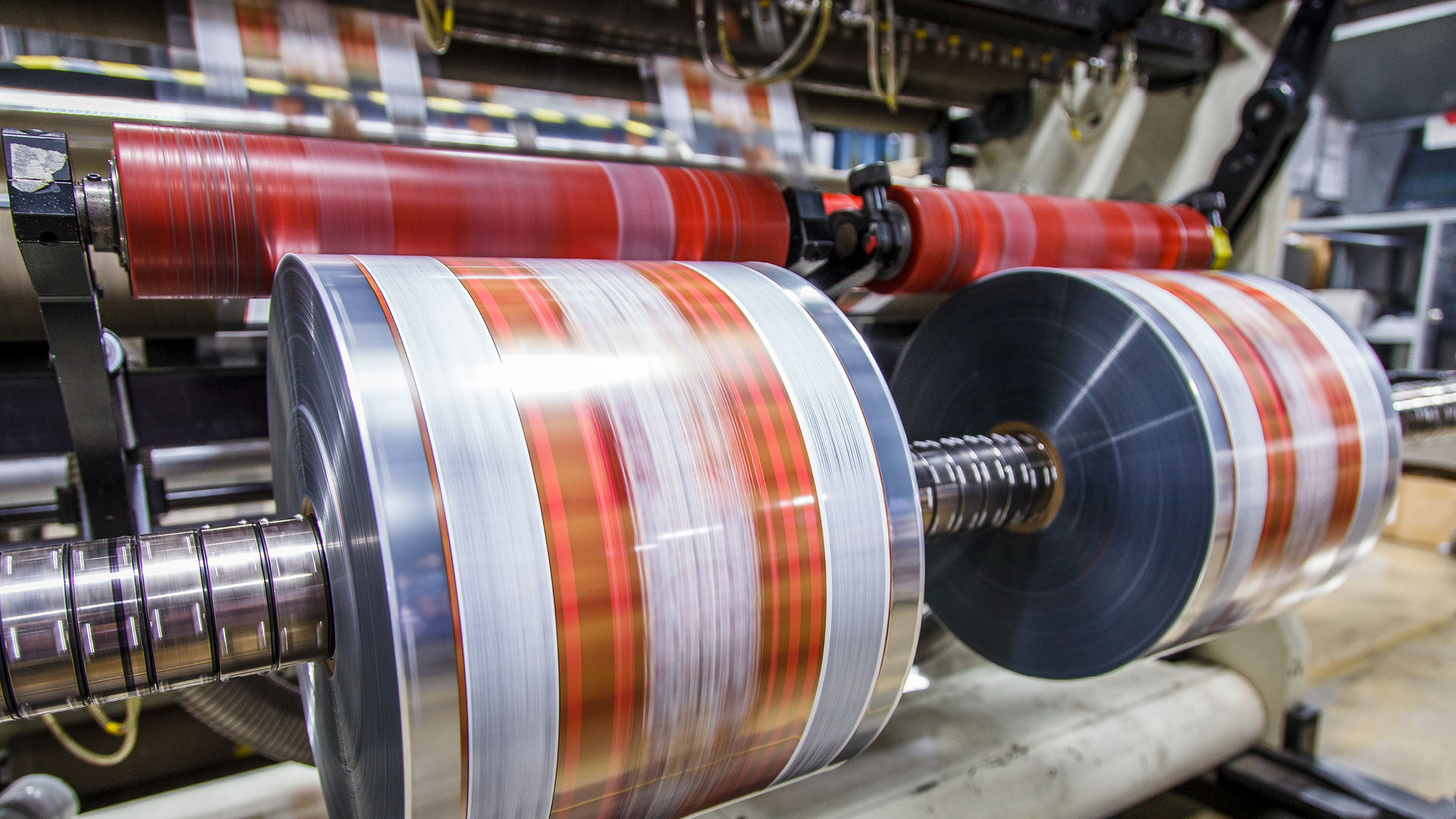
Roll stock is the backbone of high-volume flexible packaging production. Rather than a finished package delivered to the filler, rollstock is supplied as a continuous film that is formed, filled, and sealed on automated packaging equipment at the customer’s facility. This format is common in food manufacturing environments where speed and output volume are the primary drivers.
Roll stock is used extensively for shelf-stable and refrigerated food products, including snacks, cheese, meat, produce, and frozen goods. It is also widely used in industrial and protective packaging applications. The key advantage of rollstock is efficiency: it integrates directly into automated production lines and minimizes handling at the fill point.
Choosing roll stock requires a clear understanding of your filling equipment specifications, required film structure, barrier properties, and print requirements. Working with a packaging partner that offers in-house film converting and flexographic or digital printing ensures that the rollstock you receive is engineered specifically for your line.
Shrink sleeves offer 360-degree coverage of a container, making them one of the most visually impactful formats in the flexible packaging family. Applied as a tube of film that conforms to the shape of a container when heat is applied, shrink sleeves are used across a broad range of product categories where full-surface decoration and tamper evidence are both priorities.
In food and beverage, shrink sleeves are commonly applied to bottles, cups, and cans. In health and beauty, they provide a high-quality printed surface that wraps around irregular container shapes that would be difficult to label conventionally. For brands that want maximum visual impact at shelf without changing their existing container, shrink sleeves are a highly effective solution.
While not a standalone packaging format, pressure-sensitive labels are a critical component of the overall flexible packaging picture. They are used in combination with pouches, rollstock, and rigid containers to communicate brand identity, product information, regulatory compliance, and more.
For procurement teams managing multiple SKUs or frequent label changes, working with a supplier that offers both flexible packaging production and pressure-sensitive label capabilities simplifies the supply chain considerably. Digital printing, in particular, makes short runs and variable data requirements practical and cost-effective.
Choosing the right flexible packaging format comes down to a clear-eyed assessment of your product’s requirements. Consider the following before making a final decision.
What are the barrier requirements? Moisture, oxygen, light, and grease resistance each point toward different film structures. A product with a long shelf life in a demanding retail environment requires a more engineered barrier solution than one that turns quickly.
How will the product be filled? Products filled on automated lines at high speed have different format requirements than those filled manually or in smaller batches. Rollstock integrates differently into a production environment than pre-made pouches.
Where will the product be sold? Retail shelf environments have specific demands around how a package stands, how it is merchandised, and how it communicates to a consumer at a glance. A format that works well in a club store may not be the right choice for a specialty retailer.
What are your volume requirements? Flexible packaging partners that offer flexible minimum order quantities can support both emerging brands launching new SKUs and established brands managing promotional or seasonal runs without forcing either into production volumes that do not match their actual needs.
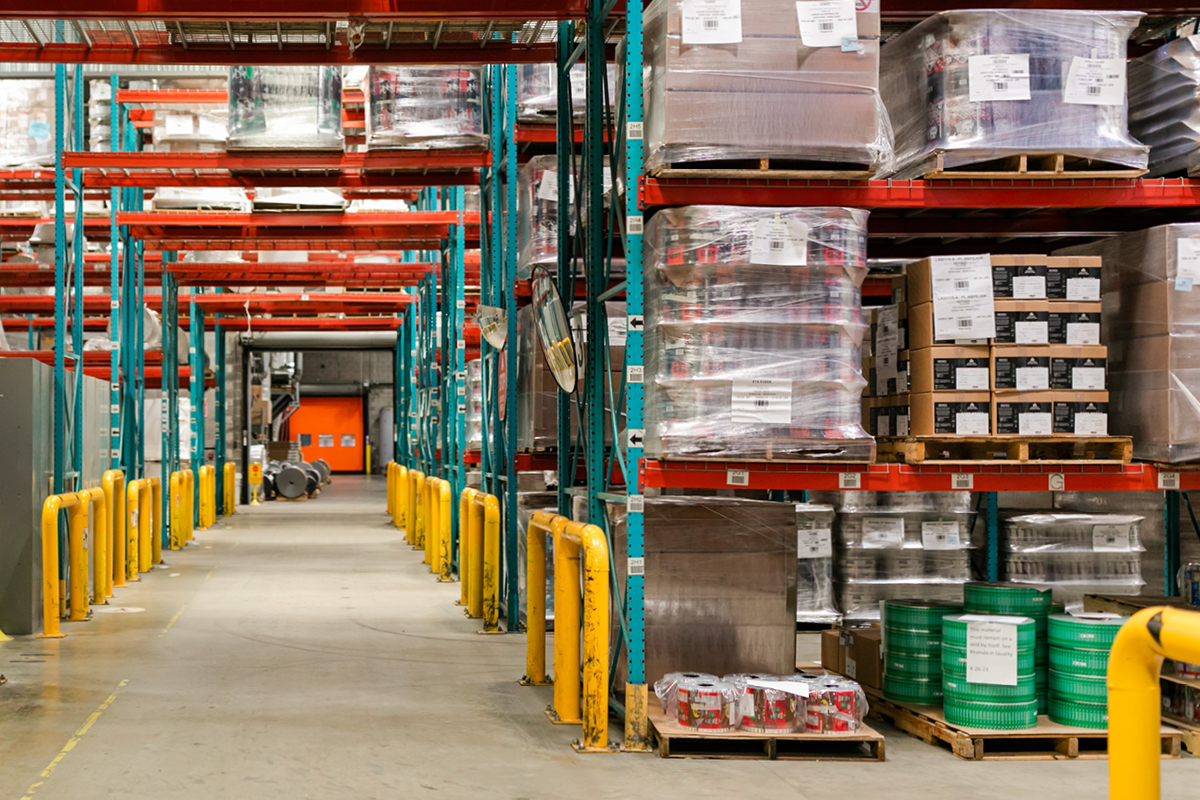
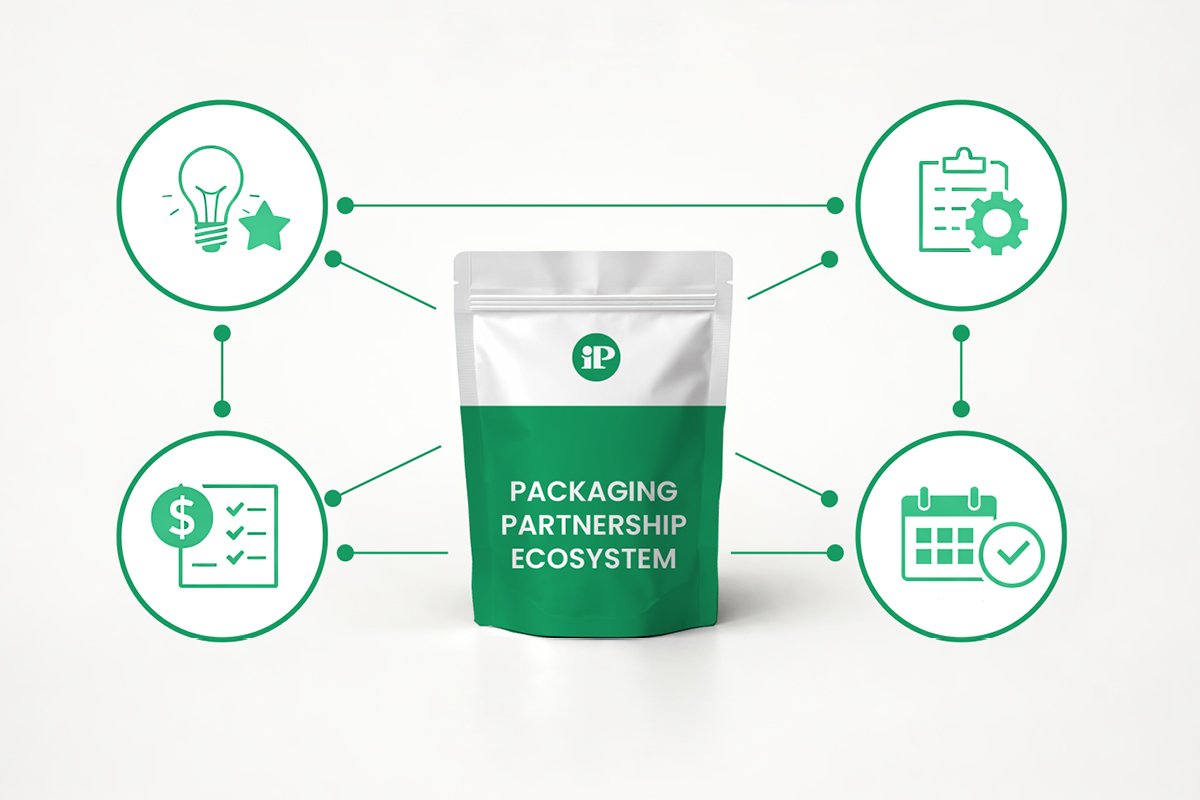
One of the most practical advantages a procurement team can have is a packaging supplier capable of producing multiple formats under one roof. When stand-up pouches, roll stock, shrink sleeves, and labels are all sourced from the same domestic manufacturer, you gain consistency in quality, a single point of accountability, and a supplier relationship built on a comprehensive understanding of your brand and your products.
Interstate Packaging has manufactured custom flexible packaging from its facilities in Tennessee for more than 50 years. With in-house flexographic and digital printing; format breadth that spans stand-up pouches, box-bottom pouches, roll stock, shrink sleeves, and pressure-sensitive labels; and flexible order volumes that support brands at every stage of growth, Interstate Packaging is built to be a long-term packaging partner rather than a transactional supplier.
If you are evaluating flexible packaging formats for a new product, a reformulation, or a supplier consolidation initiative, we welcome the conversation.
To provide the best experience, we use cookies and similar tracking technologies to enhance the website experience and analyze performance and traffic on our website. Some cookies are essential to make our website work; others help us improve the user experience. Select "Accept All Cookies" to allow all uses of these cookies, "Reject Non-Essential Cookies" to limit cookies that are not required, and "Customize" for more options. You can update your cookie preferences at any time. Read our Cookie Policy and Privacy Policy to learn more.