If you’ve ever searched “roll stock packaging” and landed on a page that gave you a dictionary definition and nothing else, you already know the frustration. Most content on this topic tells you what roll stock is but never gets to the part that actually matters for your business: is it the right format for your product, and how do you make it work?
That’s what this post is for.
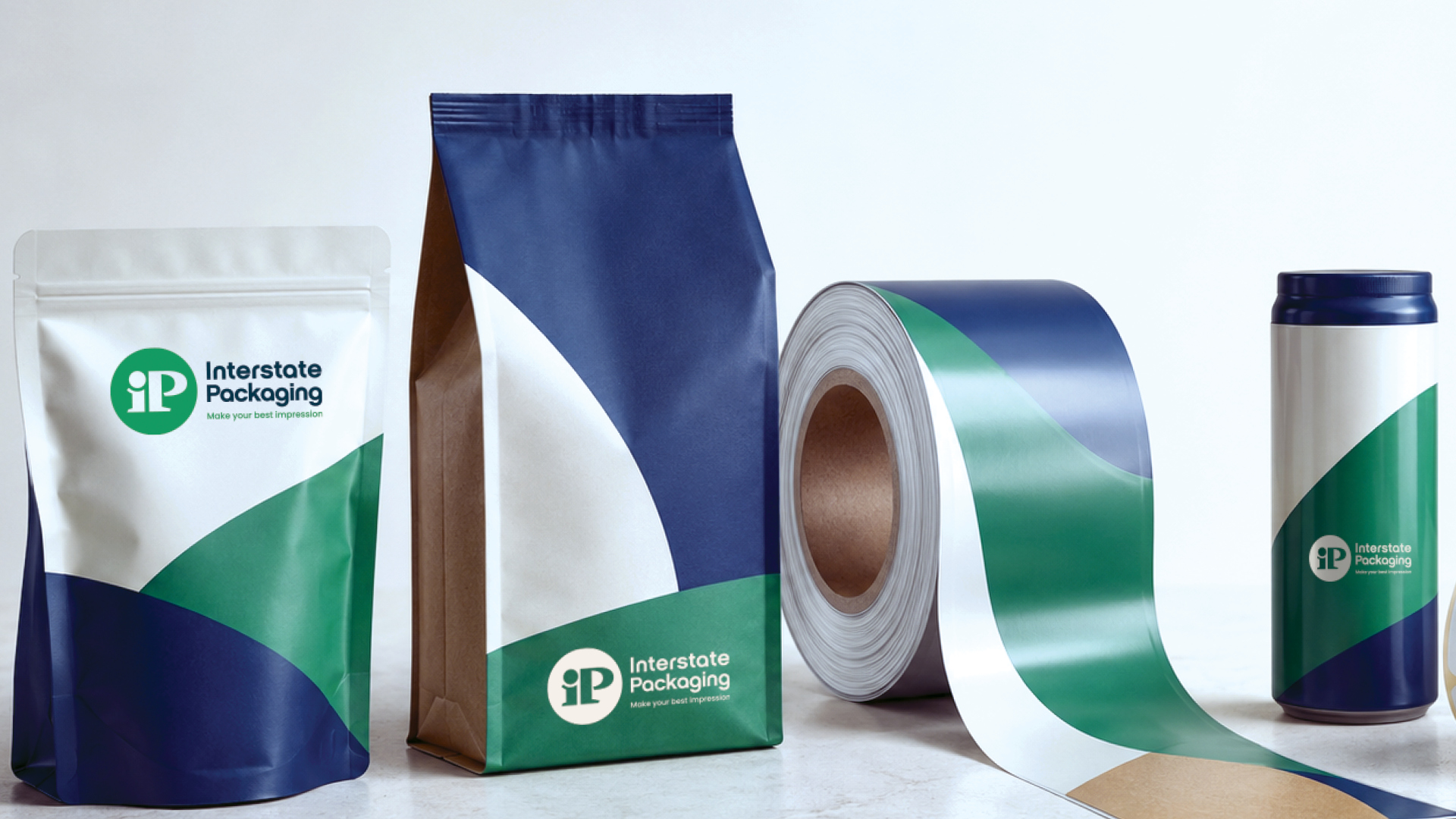
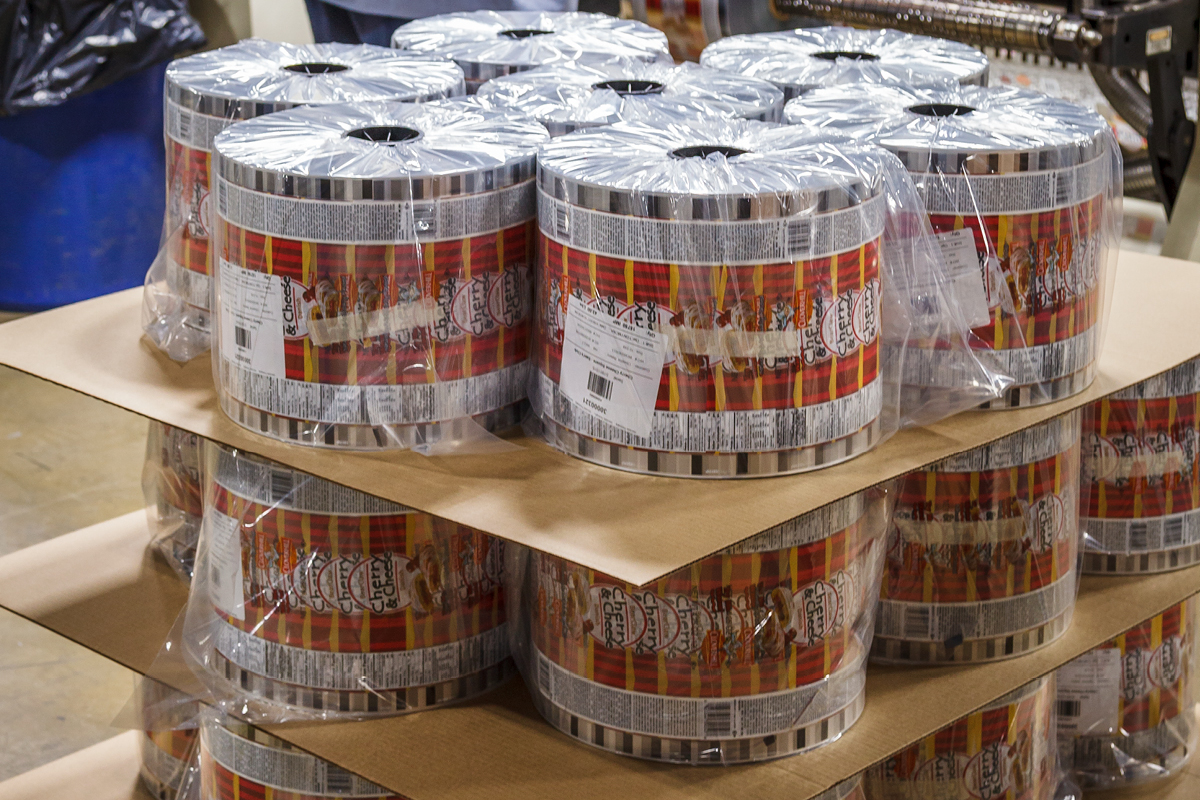
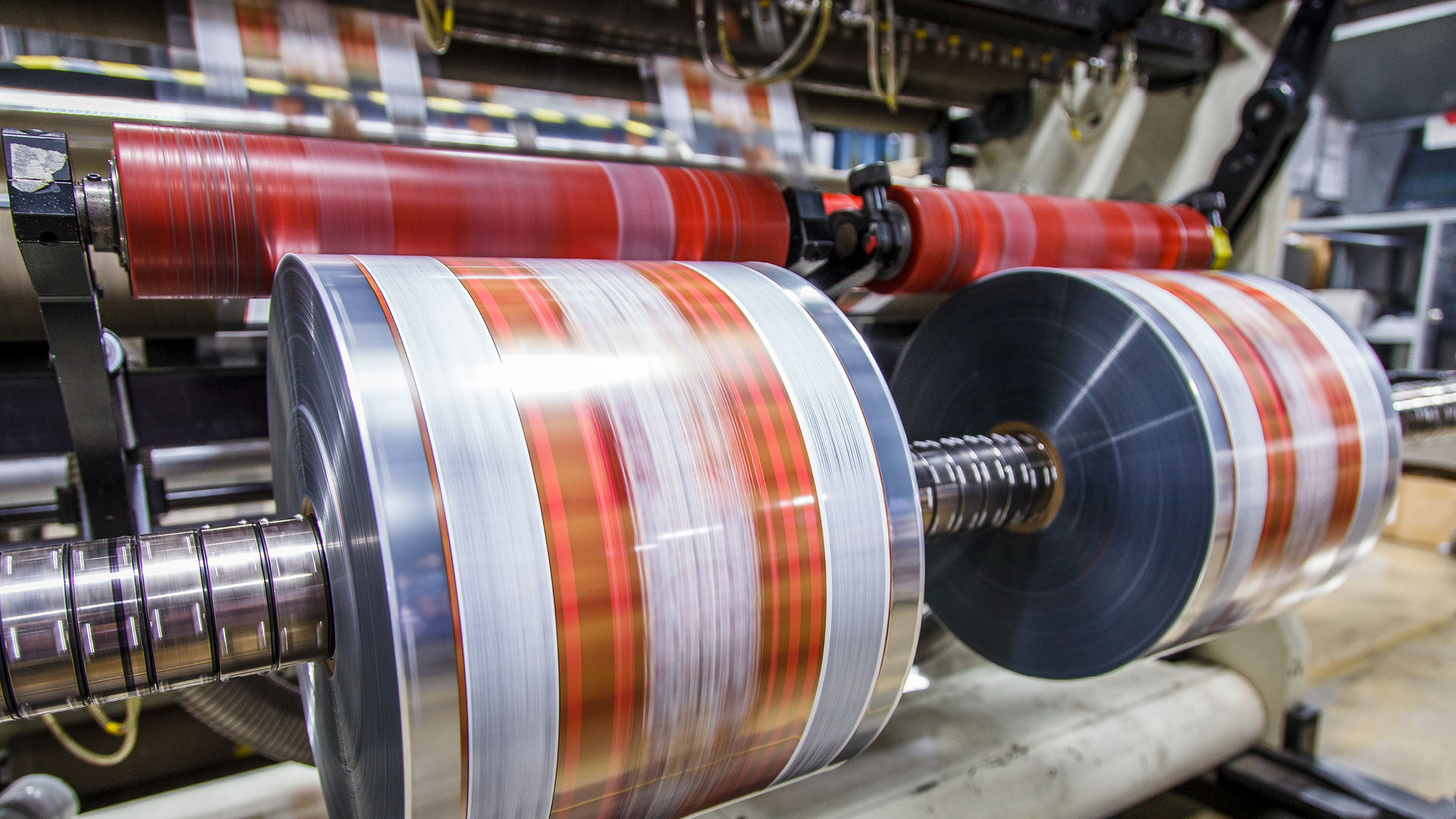
Roll stock is flexible packaging material – film, laminate, foil, or a combination – wound onto a large spool and shipped to a converter or co-packer who runs it through a form-fill-seal (FFS) machine to create the finished package.
Rather than receiving pre-made bags or pouches, you’re receiving the raw material that becomes the bag. The machine forms the structure, fills it with your product, and seals it, all in one continuous process.
If you want a deeper breakdown of the material itself, our rollstock overview covers the full picture. But for the purposes of this post, the key thing to understand is this: roll stock is a substrate, not a finished product. That distinction matters a lot when you’re evaluating it for your line.
Here’s where most explanations stop short. Understanding the converting process is what separates a buyer who gets burned by a bad supplier selection from one who doesn’t.
Roll stock comes in many material structures: mono-layer films, multi-layer laminates, barrier films, and recyclable or compostable options. The right choice depends on your product’s moisture, oxygen, light, and grease sensitivity. A snack brand and a pet food brand may both use roll stock, but their material structures are completely different.
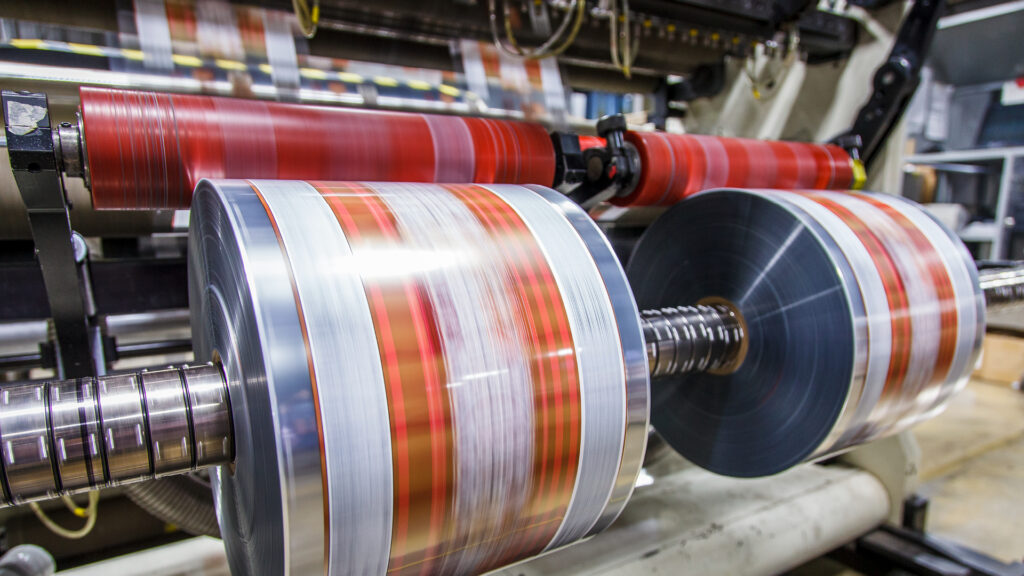
Before the roll goes to a converter, it’s printed – typically by flexographic or digital printing – with your branding, regulatory information, and nutritional content. This is where Interstate Packaging’s in-house capabilities come into play. Getting print and substrate from the same supplier eliminates a major point of friction and a common source of registration and color issues.
At the co-packer or manufacturing facility, the printed roll stock feeds into an FFS machine. Vertical FFS machines are common for products like coffee, snacks, and frozen foods. Horizontal FFS is common for bars, individual portions, and flat products. The machine forms the pouch shape, your product is deposited, and the seal is applied, all in-line.
Finished packages are inspected for seal integrity, print quality, and fill weight before they move into your distribution chain.
Roll stock works across a wide range of categories, but it genuinely excels in a few specific situations:
Being honest about this is part of being a real packaging partner, not just a supplier.
Roll stock may not be the right choice if:
If any of these apply to your situation, that’s still worth a conversation. Sometimes a hybrid approach makes sense, or your situation is closer to FFS-ready than you think.
If you’ve determined roll stock is the right direction, here’s what separates a good supplier conversation from a superficial one:
What material structures do you offer in-house vs. sourced from a third party? In-house laminating and printing means faster turnaround, better quality control, and one point of accountability. Sourced structures can introduce delays and finger-pointing when something goes wrong.
What’s your minimum order quantity, and how does pricing scale? Roll stock pricing is volume-sensitive. Get a clear picture of price breaks and MOQs before you fall in love with a supplier.
What are your standard lead times for new and reorder runs? Reorder lead time is often more important than new job lead time. If your supply chain needs predictability, this question matters more than almost anything else.
Are you U.S.-based? With ongoing tariff uncertainty affecting imported packaging materials, domestic production is a real risk mitigation factor, not just a marketing point. Interstate has been U.S.-based since 1969, and that stability is something our customers increasingly factor into their supplier decisions.
Do you handle print and substrate together? If not, you’re managing two vendors, two lead times, and two points of potential error on every run.
Roll stock packaging is one of the most efficient, scalable, and customizable formats in flexible packaging – when it’s the right fit. The key is matching the format to your product, your volume, and your operational setup, and then finding a supplier who can back it up with in-house capability and genuine expertise.
If you’re evaluating whether roll stock makes sense for your product, we’re happy to talk through it. Tell us about your product and production setup, and we’ll give you a straight answer on whether roll stock is the right direction, and if so, what material structure and format would fit best.
To provide the best experience, we use cookies and similar tracking technologies to enhance the website experience and analyze performance and traffic on our website. Some cookies are essential to make our website work; others help us improve the user experience. Select "Accept All Cookies" to allow all uses of these cookies, "Reject Non-Essential Cookies" to limit cookies that are not required, and "Customize" for more options. You can update your cookie preferences at any time. Read our Cookie Policy and Privacy Policy to learn more.