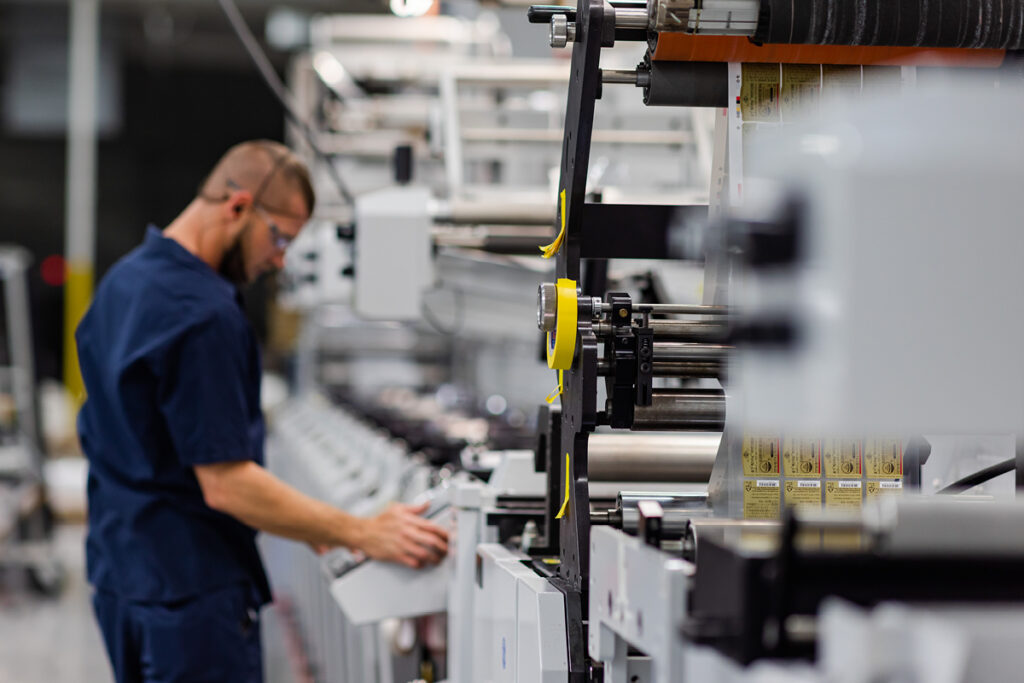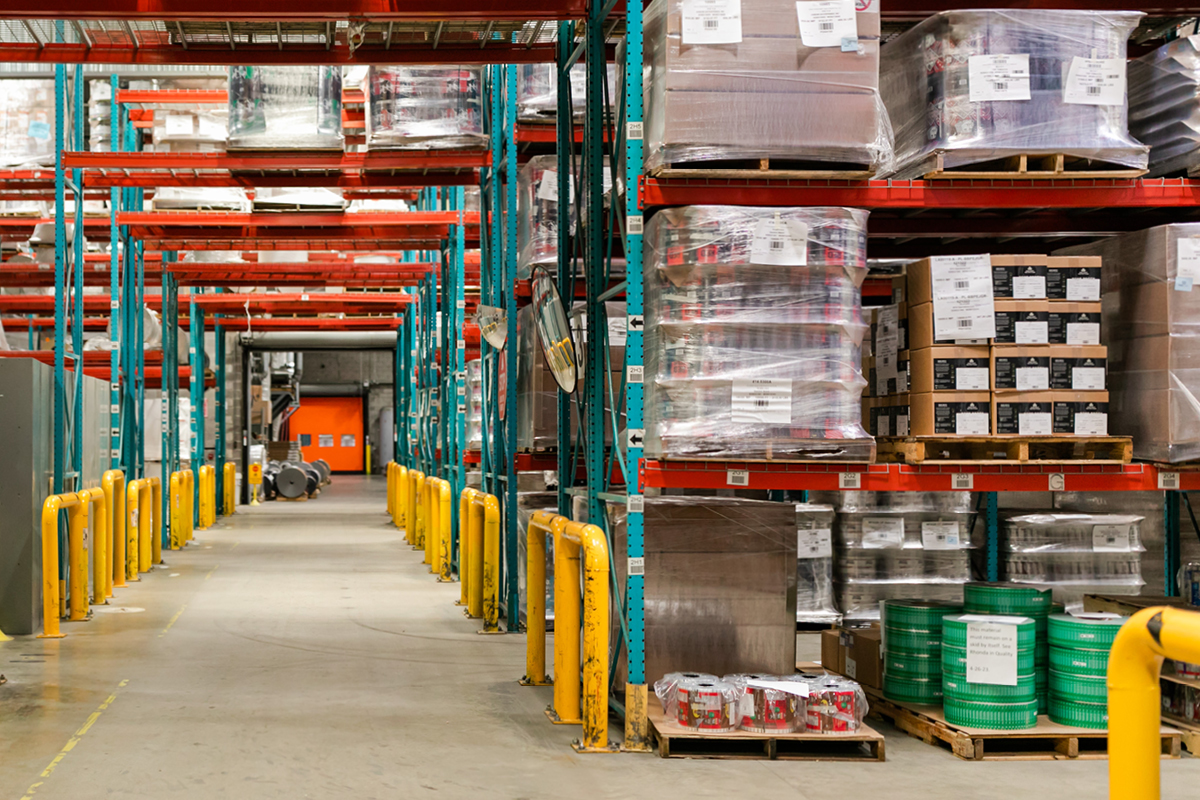
Manufacturing Day falls on the first Friday of October every year, and in 2026 that landed on October 2. It kicks off National Manufacturing Month, a stretch of the calendar built around plant tours, career pathways, and a chance for the public to see past outdated assumptions about what modern manufacturing looks like. For a company like Interstate Packaging, the timing also happens to line up with something much more practical: September and October are when production calendars for the rest of the year start to take real shape, which makes this exactly the right moment to talk about what capacity actually means once you get past the surface-level scheduling conversation.
When procurement teams ask about capacity, the question is usually framed around volume. Can a supplier handle a certain run size, and can they do it again next quarter? That is a fair question, but it misses the part of capacity that determines whether a 2027 packaging decision actually gets delivered on time. Capacity is also a calendar. Every production line has a finite number of open weeks left in a given year, and those weeks fill in the order that customers commit to them, not in the order that decisions get finalized.
That is why brands who start the conversation in September or October, even when the final decision will not happen until later, typically end up with more flexibility than the ones who wait until January. It is not about urgency for its own sake. It is about the practical reality that the open weeks on a production calendar are a limited resource, and the earlier a brand secures a place in that calendar, the more control they retain over their own launch or reformulation timeline.
A lot of the conversation around domestic manufacturing focuses on shipping distance and freight cost, and those are real advantages. But the timing benefit runs deeper than transit time. When a production line sits in Middle Tennessee rather than overseas, the entire feedback loop between a procurement team and the plant floor happens on a compressed timeline. A spec adjustment, a last-minute quantity change, or a question about a proof does not have to travel through a customs window or wait for a workday to overlap across a dozen time zones. It gets resolved in hours, not days.
That matters most in exactly the scenario most procurement teams are trying to avoid: a launch date that moves up, a supplier issue that forces a last-minute switch, or a forecast that turns out to be wrong in either direction. Domestic production does not eliminate those situations, but it gives a team far more room to adjust without blowing up the rest of their timeline.
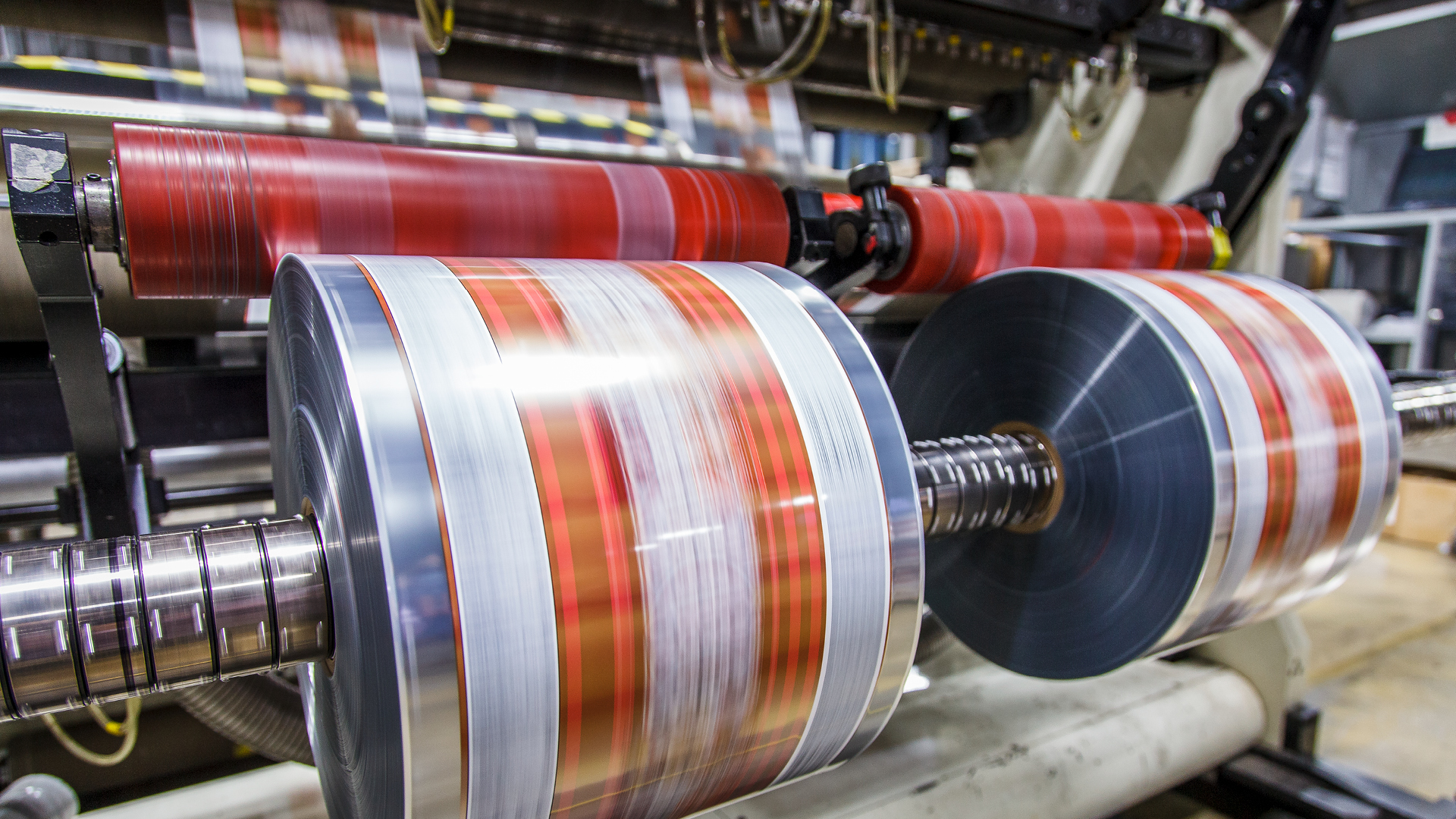
The other piece that gets lost in a pure capacity conversation is what happens to quality oversight once a production schedule tightens up heading into year-end. At Interstate Packaging, every run through our flexographic and digital printing lines follows the same process standard regardless of how full the calendar is, because that consistency is built into how the lines operate, not layered on as an afterthought when volume increases. Our SQF certification exists precisely because food safety and quality standards should not be something a supplier treats as flexible when things get busy.
That discipline is easier to maintain in a facility you can walk into. Domestic manufacturing gives a procurement team the practical ability to visit the floor, ask questions in real time, and see exactly how a product moves through production, rather than relying entirely on a report generated after a shipment has already left an overseas facility. For brands managing multiple SKUs or a seasonal launch calendar, that visibility is not a nice extra. It is often the difference between catching an issue before it reaches a retail shelf and finding out about it after the fact.
None of this requires a brand to have their 2027 packaging decisions finalized right now. It does mean that the brands who open the conversation in the next few weeks, whether that is a new product launch, a reformulation, or simply a check on whether their current supplier still fits, are the ones who will have the most options once the calendar tightens up later this year.
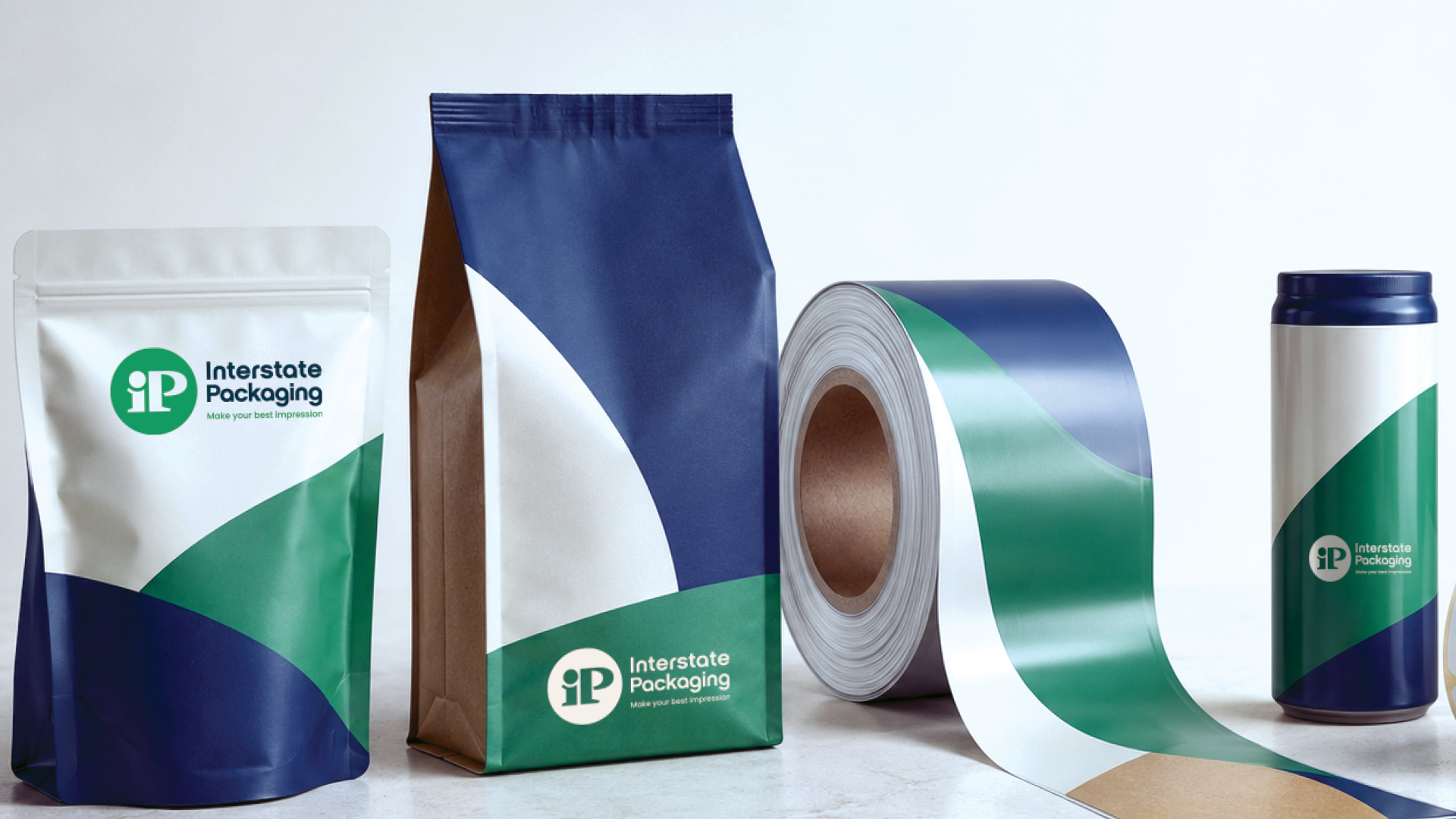
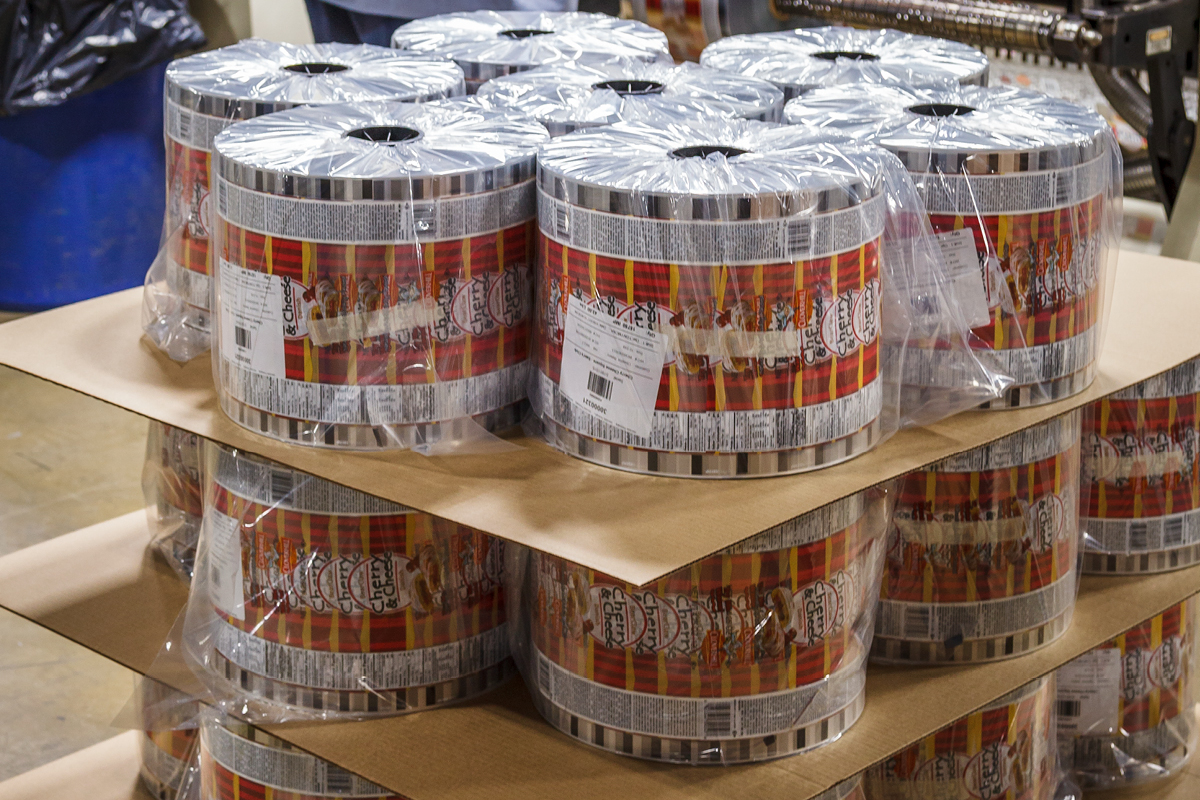
Interstate Packaging operates two domestic facilities in Middle Tennessee, giving us the production capacity and format range to support a wide mix of packaging needs, from stand-up pouches and rollstock to shrink sleeves, labels, and flexible overwrap. If any part of your 2027 planning touches packaging, now is the time to start that conversation, while there is still room on the calendar to work with.
To provide the best experience, we use cookies and similar tracking technologies to enhance the website experience and analyze performance and traffic on our website. Some cookies are essential to make our website work; others help us improve the user experience. Select "Accept All Cookies" to allow all uses of these cookies, "Reject Non-Essential Cookies" to limit cookies that are not required, and "Customize" for more options. You can update your cookie preferences at any time. Read our Cookie Policy and Privacy Policy to learn more.