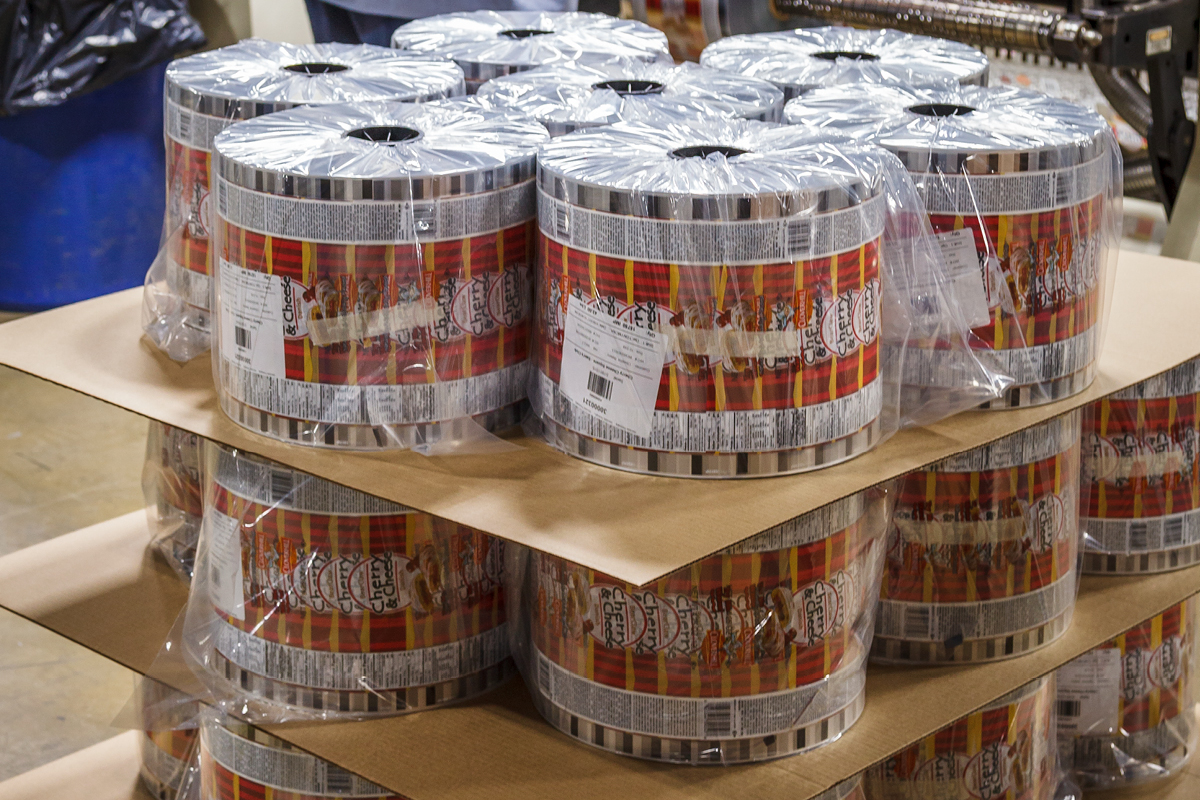
Rollstock packaging (also written as roll stock or roll-stock) may not be a household term, but its impact on product packaging and distribution is undeniable. It’s the behind-the-scenes hero of the packaging world! From food to pharmaceuticals, cosmetics to pet products, rollstock packaging plays a crucial role in delivering products safely and efficiently to consumers worldwide. In this comprehensive guide, we’ll explore what rollstock packaging is, its applications, importance, and how to find the right vendor to produce it for your business.
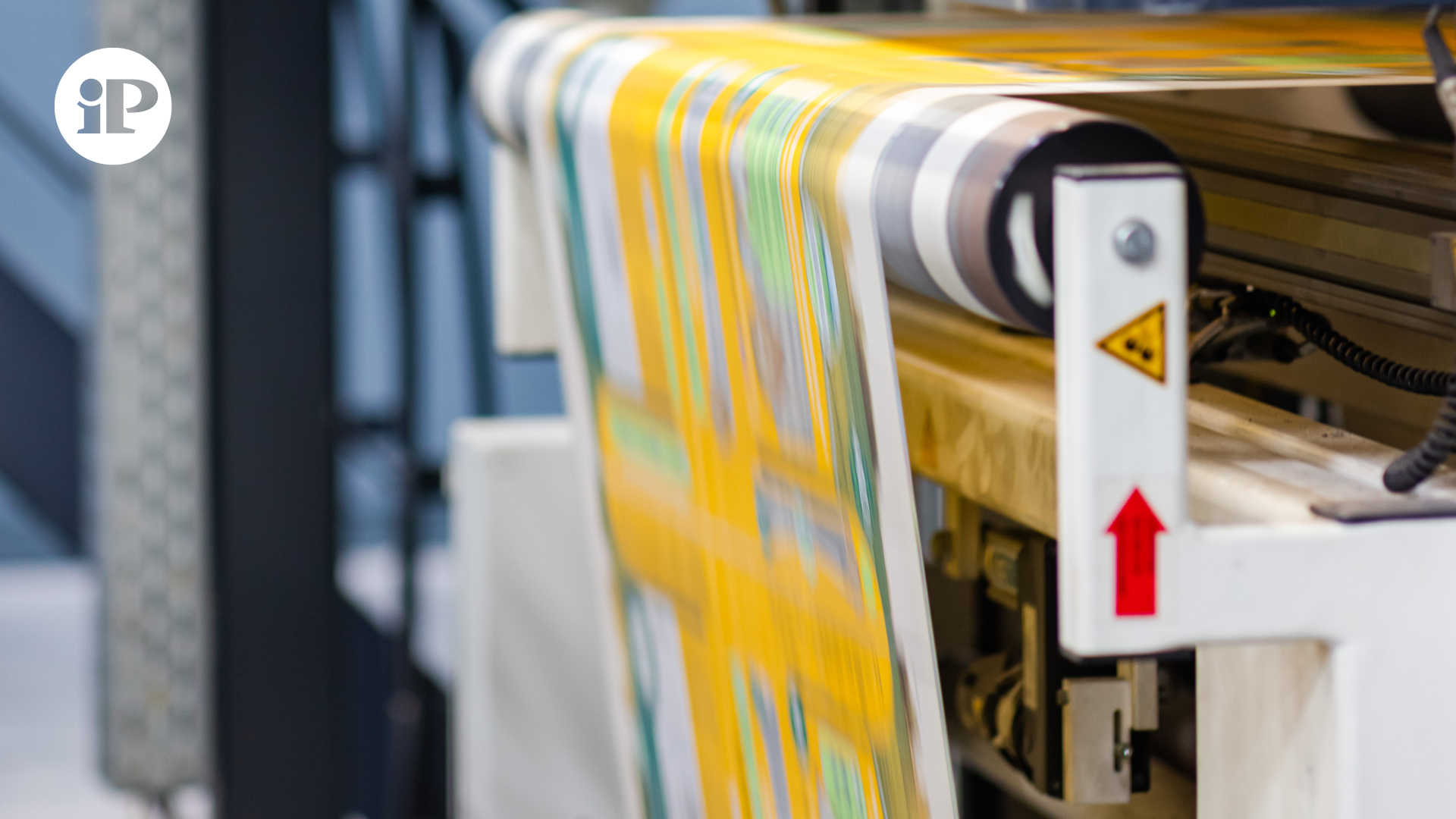
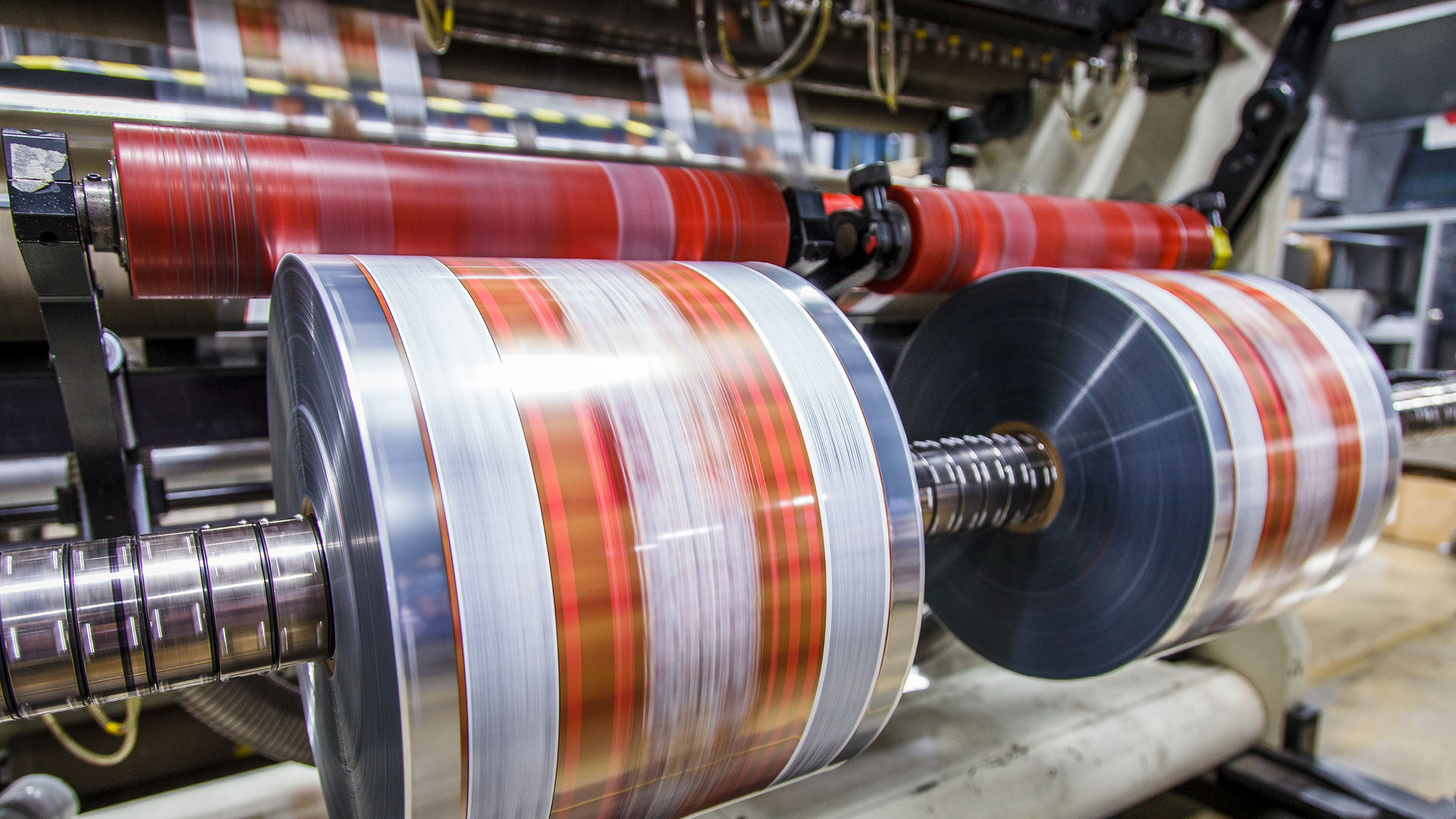
Rollstock packaging, also known as roll-fed packaging, refers to a form of flexible packaging where a continuous roll of film or material is fed into a packaging machine to create pouches or bags. These pouches are then filled with product, sealed, and cut to size, creating a sealed package ready for distribution.
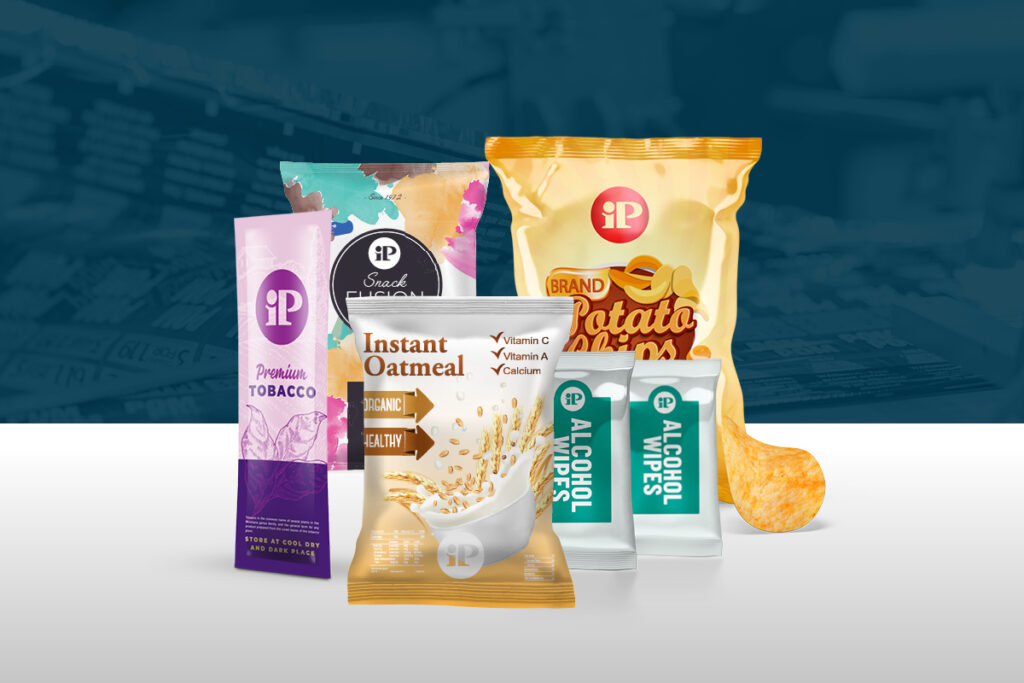
Rollstock packaging finds applications across a wide range of industries and products, including:
Rollstock packaging offers several key benefits, including:
When searching for a vendor to produce rollstock packaging for your business, consider the following factors:
At Interstate Packaging, we’re your trusted partner for high-quality rollstock packaging solutions. With years of experience, state-of-the-art equipment, and a commitment to excellence, we deliver packaging that meets your needs and exceeds your expectations. Contact us today to discuss your rollstock packaging requirements and see how we can help your business succeed.
Rollstock packaging is a form of flexible packaging where a continuous roll of film or laminated material is fed into a packaging machine to create pouches, bags, or lidding. The machine forms the package, fills it with product, seals it, and cuts it to size—all in one automated process. You may also see it written as “roll stock” or “roll-stock,” but these terms all mean the same thing.
There’s no difference—rollstock, roll stock, and roll-stock all refer to the same packaging format. The terminology varies by region and company preference. Some people also call it roll-fed packaging or web-fed packaging. Regardless of spelling, it all describes flexible film supplied in continuous rolls rather than as pre-made pouches.
Roll-fed packaging is another name for rollstock packaging. It refers to any packaging operation where the material is fed from a roll into the machine, as opposed to using pre-formed containers or pouches. This method is popular for form-fill-seal applications across food, medical, pet food, and consumer product industries.
Rollstock films are made from a variety of materials depending on the product’s needs. Common options include polyethylene (PE), polypropylene (PP), PET/polyester, nylon, aluminum foil, and paper-based films. Most rollstock packaging uses multi-layer laminated structures that combine materials to provide specific barrier properties—protecting products from moisture, oxygen, light, and odors.
A rollstock packaging machine—often called a form-fill-seal (FFS) machine—performs several steps in one continuous process. It unwinds film from a roll, forms it into a package shape using heat or vacuum, fills the formed cavity with product, seals the package, and cuts it from the web. Machines can operate horizontally (HFFS) or vertically (VFFS) depending on the product type and desired package format.
Rollstock packaging serves a wide range of industries. Common applications include food and beverage (meat, cheese, snacks, coffee, ready meals), medical and pharmaceutical (sterile device packaging, blister lidding), pet food and treats, personal care and cosmetics, lawn and garden products, and tobacco. It’s especially popular in high-volume production environments where speed, consistency, and cost efficiency matter.
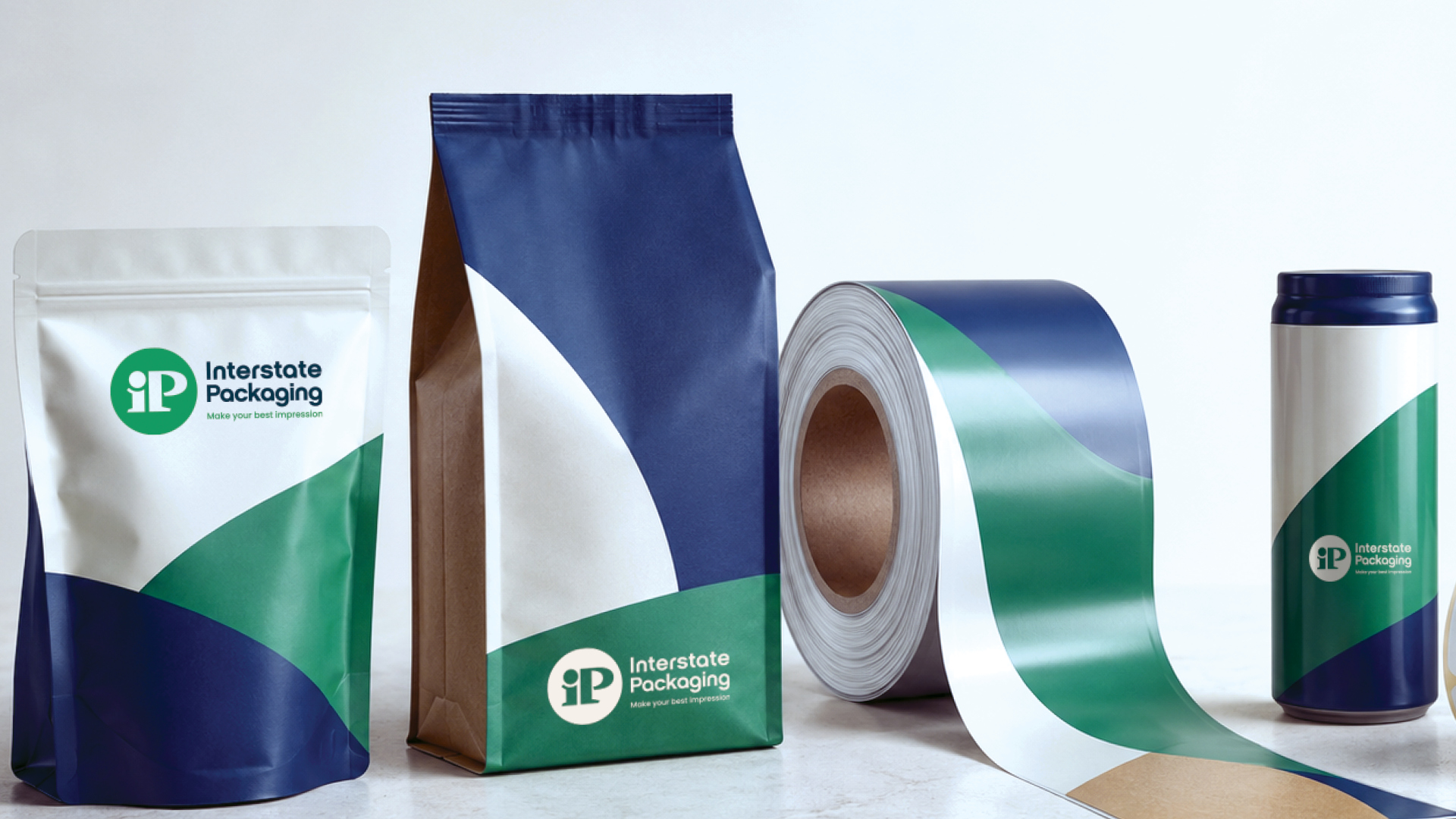
Rollstock film is simply the flexible packaging material supplied in roll form. It can be a single-layer film or a complex multi-layer laminate with printed graphics, barrier coatings, matte or gloss finishes, and specialty features like easy-peel seals or resealable zippers. The film is designed to run on form-fill-seal equipment and gets converted into finished packages during the packaging process.
To provide the best experience, we use cookies and similar tracking technologies to enhance the website experience and analyze performance and traffic on our website. Some cookies are essential to make our website work; others help us improve the user experience. Select "Accept All Cookies" to allow all uses of these cookies, "Reject Non-Essential Cookies" to limit cookies that are not required, and "Customize" for more options. You can update your cookie preferences at any time. Read our Cookie Policy and Privacy Policy to learn more.